


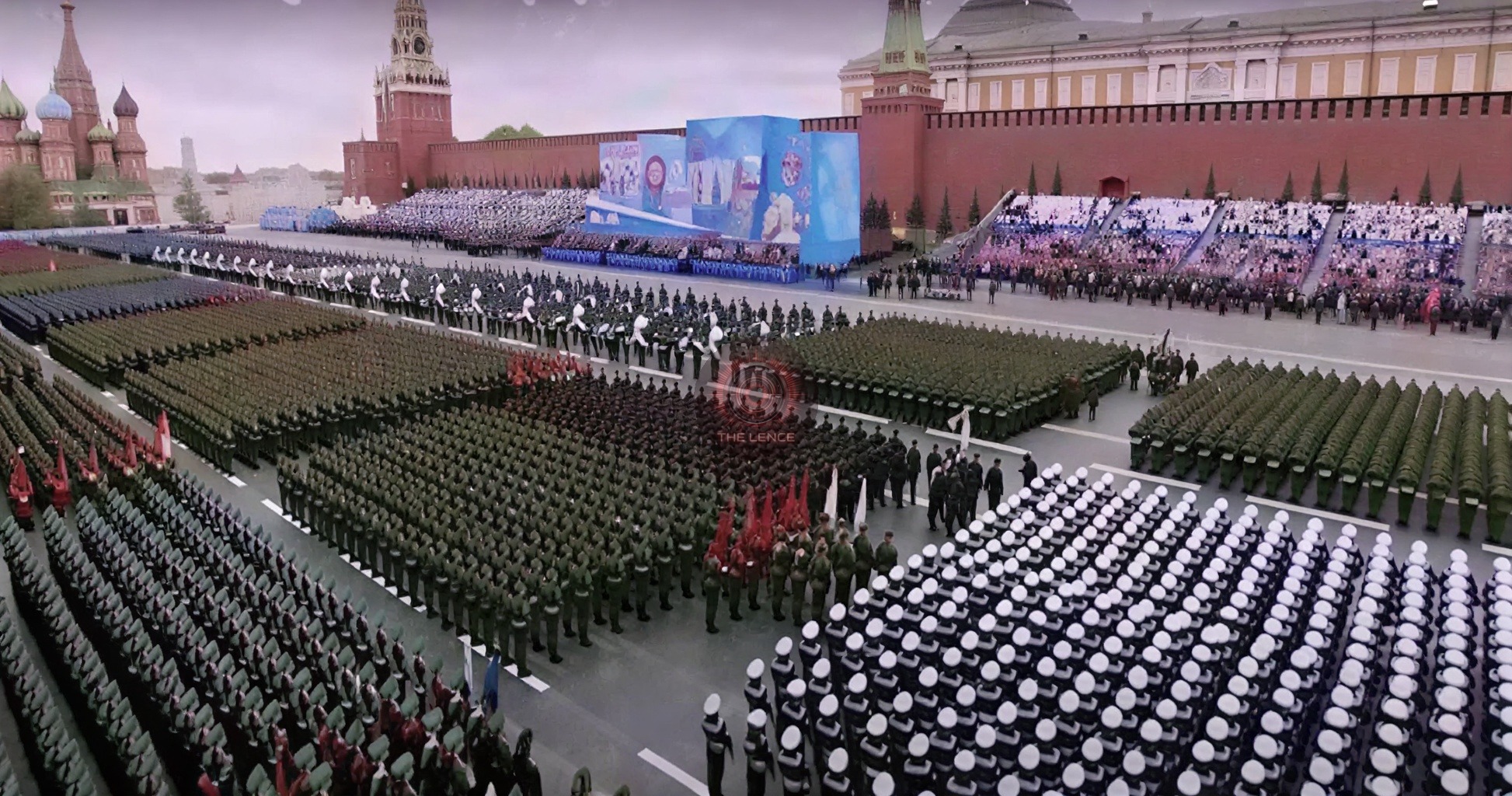
Russia's Scaled-Down Victory Day Parade Amid Ceasefire in Ukraine.
Commemorating Victory Amid Conflict
On May 9, Russian President Vladimir Putin presided over a notably scaled-down Victory Day parade on Moscow's Red Square. This year's event coincided with a temporary ceasefire in the ongoing conflict between Russia and Ukraine, marking a significant departure from the traditional grandiose displays of military might. This annual parade commemorates the Soviet Union's victory over Nazi Germany in World War II and has traditionally been a showcase of Russia's military prowess.
A New Format for the Parade.
For the first time in nearly two decades, the parade featured no heavy military hardware. Instead, state media broadcast pre-recorded videos highlighting Russia's strategic military assets, such as drone and air defense forces, long-range bombers, and nuclear-capable submarines. The decision to forgo the usual display of military equipment was in response to heightened security concerns following intensified Ukrainian strikes inside Russian territory.
The Ceasefire Agreement.
The three-day ceasefire, from May 9 to 11, was announced following accusations from both Russia and Ukraine of violating previous unilateral ceasefires. The agreement, facilitated by US President Donald Trump, included a halt to fighting and a large-scale prisoner exchange, with both sides agreeing to swap 1,000 prisoners each. This temporary truce provided a brief respite from the ongoing hostilities.
Attendance and International Presence.
Unlike previous years, the international presence at the parade was limited. The scaled-down format meant that many international journalists, including CNN, were unable to attend, relying instead on footage from Russian state media. Notable attendees included Belarusian President Alexander Lukashenko, Malaysia's King Sultan Ibrahim Iskandar, and the presidents of Kazakhstan and Uzbekistan. Slovak Prime Minister Robert Fico was in Moscow for a bilateral meeting but did not attend the parade.
Historical Connections and Modern Implications.
Putin drew parallels between the Soviet Union's sacrifices in WWII and Russia's current military operations in Ukraine, framing them as a continuation of the Great Patriotic War. This narrative, while resonant for some, may appear controversial to others. The parade highlighted this connection with the presence of both a participant in the "special military operation" and a WWII veteran seated alongside Putin.
Domestic Challenges and Security Measures.
The parade occurred amidst growing domestic challenges, including a slowing economy and increased internet restrictions. These measures, deemed necessary by Putin for public safety, have affected daily life in Russia. Muscovites were warned of potential restrictions on mobile internet and text messaging during the festive events to ensure security.
In summary, this year's Victory Day parade reflected the complexities of Russia's current geopolitical climate, balancing commemoration with contemporary challenges and international relations.
Comments (0)
No comments yet. Be the first!
Leave a Comment