


Uganda's Political Landscape: Museveni's Seventh Term and the Future
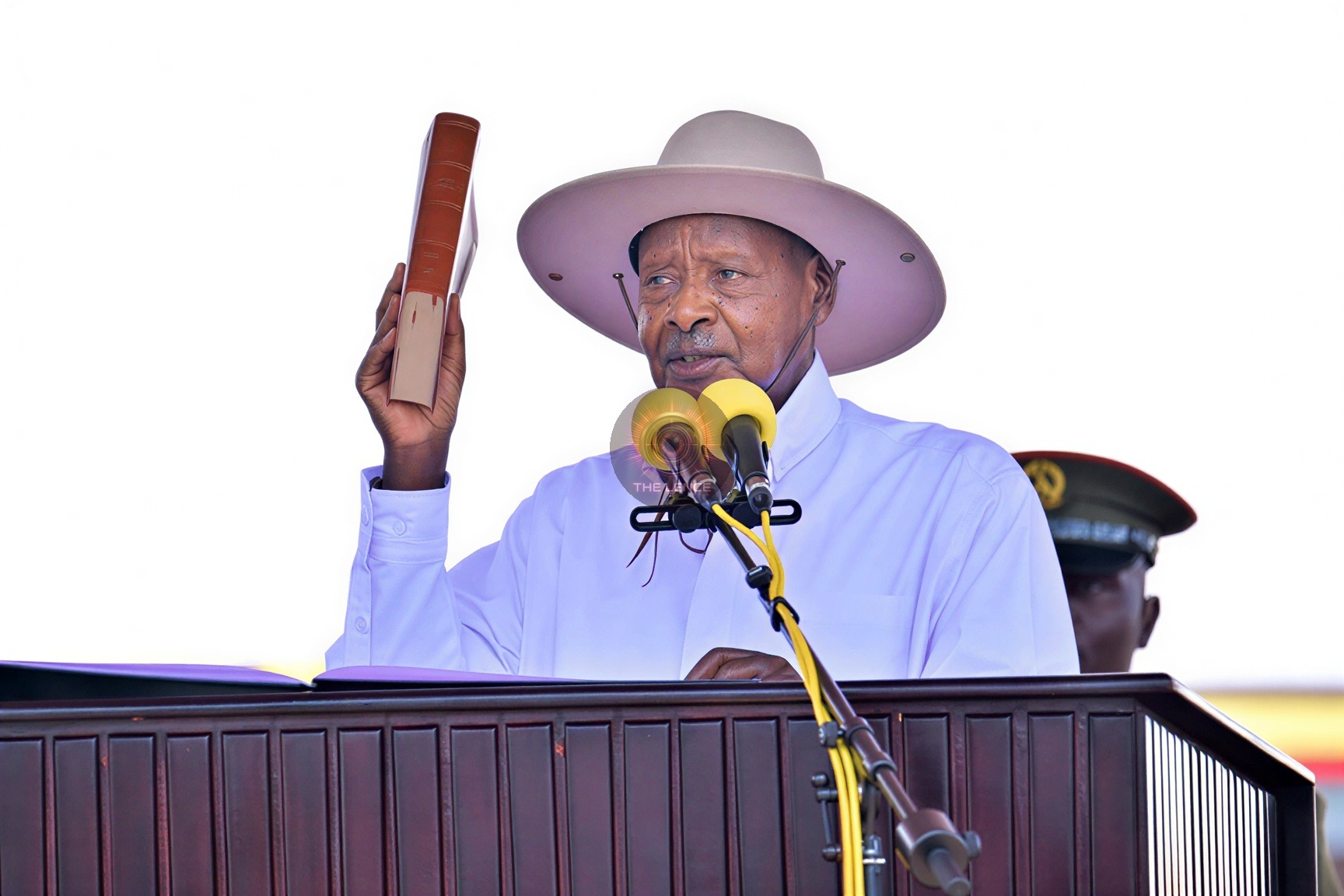
As Yoweri Museveni, Uganda's 81-year-old president, takes the oath for a seventh consecutive term, the nation's attention turns towards the future of its leadership. Museveni's extended rule, spanning four decades, leaves many wondering who will succeed him and how the transition will unfold.
Museveni's Enduring Presidency.
Having been in power since 1986, Museveni's presidency has been a significant chapter in Uganda's history. His latest inauguration in Kampala, marked by military parades and public celebrations, underscores his lasting influence. Despite this, there is a growing acceptance among Ugandans that Museveni's tenure is drawing to a close. The crucial question now is how the transition of power will be managed.
The Rise of Muhoozi Kainerugaba
Museveni's son, General Muhoozi Kainerugaba, is a prominent figure in the conversation about Uganda's future leadership. As the army chief, he has made his ambitions clear, declaring his intent to succeed his father. However, his path to presidency presents challenges. An electoral win seems unlikely against contenders like Bobi Wine, a popular opposition leader. Kainerugaba's alternatives include a potential unconstitutional takeover or a constitutional amendment facilitated by the ruling party's majority in parliament.
Political Maneuvering and Allegiances.
Kainerugaba's ascent within Ugandan politics has seen various leaders aligning themselves with him, possibly reflecting a strategic move for political survival. Parliamentary speaker Anita Among has even expressed willingness to support his presidential aspirations. This shifting dynamic highlights Kainerugaba's growing influence as Museveni's capabilities wane.
A Controversial Legacy and Future Prospects.
Kainerugaba's career in the military has been marked by controversy, with critics labeling his rise as the "Muhoozi Project," suggesting a planned succession. Despite denials from Museveni and Kainerugaba, the idea of hereditary rule seems increasingly plausible. Analysts like Angelo Izama suggest that Kainerugaba already holds significant sway, particularly in defense and security matters.
Leadership Style: A Contrast with Museveni
While Museveni's leadership has been characterized by negotiation and charisma, Kainerugaba's approach is notably more confrontational. Known for his blunt online presence and decisive actions against corruption,
Kainerugaba presents a stark contrast to his father. His military background and establishment of the Patriotic League of Uganda further emphasize his distinct style.
Museveni's Historical Impact and Current Challenges
Museveni's initial rise to power was rooted in a promise of democratization and stability after years of turmoil. Although credited with bringing peace, his administration has faced criticism for authoritarian tendencies, including the removal of term and age limits. Recent legislation aimed at curbing foreign influence has sparked concerns over its implications for civil society and opposition groups.
As Uganda navigates this pivotal moment, the future of its leadership remains uncertain. While Museveni's influence endures, the potential transition to Kainerugaba marks a new era fraught with challenges and opportunities. The nation's political landscape is poised for significant changes, with the eyes of Ugandans and the international community closely watching the developments.


Comments (0)
No comments yet. Be the first!
Leave a Comment