


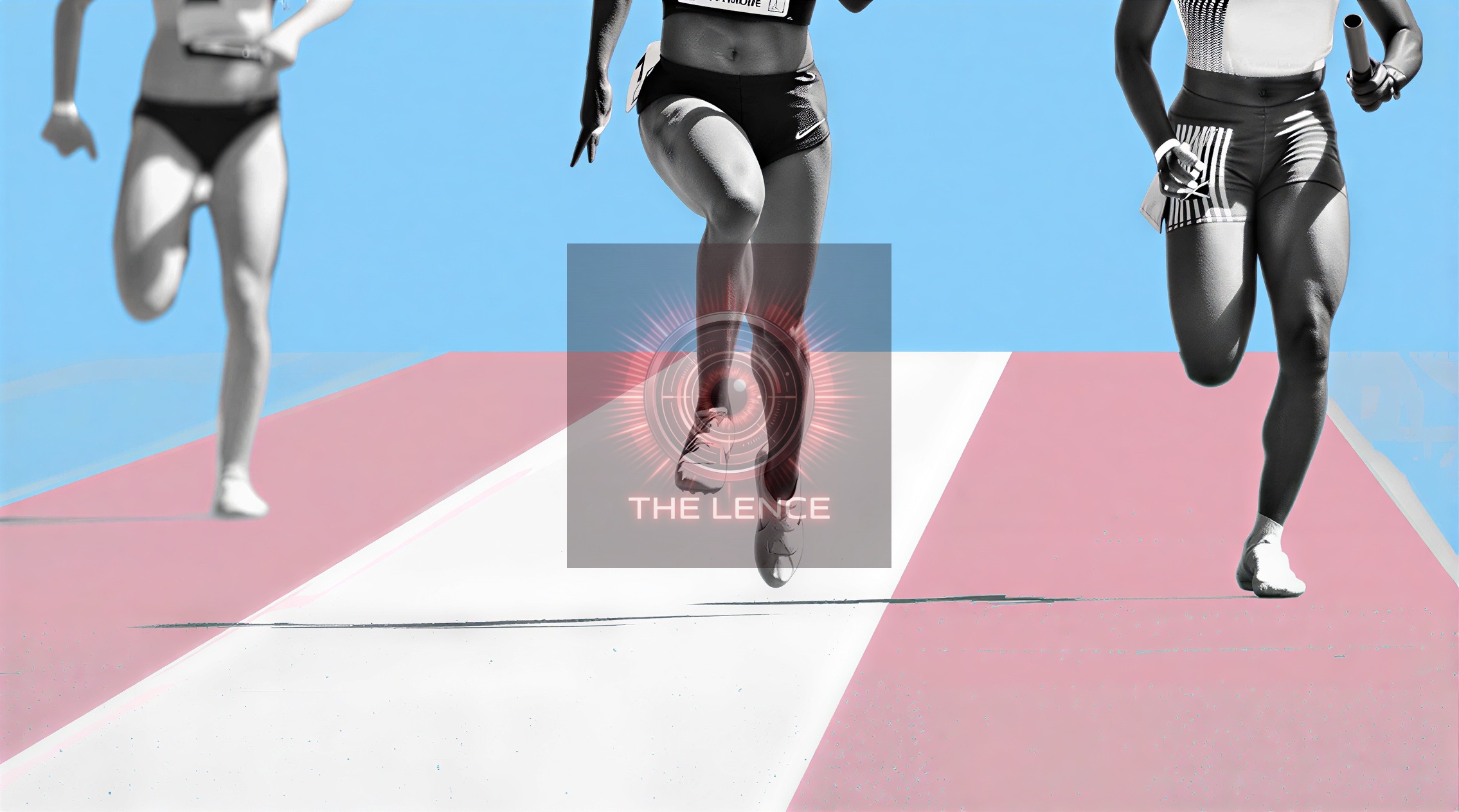
Transgender Women Athletes Banned from Olympics by New IOC Policy
The International Olympic Committee (IOC) has announced a new eligibility policy that effectively bans transgender women athletes from participating in the Olympic Games. This decision was made in alignment with a recent executive order by US President Donald Trump concerning women's sports, ahead of the 2028 Los Angeles Games.
New Eligibility Criteria.
The new policy stipulates that eligibility for any female category event at the Olympics or any other IOC event is now restricted to "biological females." This determination will be made based on a one-time screening for the SRY gene, which is typically linked to male development.
Impact on Transgender Athletes.
It remains unclear how many transgender women, if any, are currently competing at the Olympic level. Notably, no transgender women competed at the 2024 Paris Summer Games. The policy is set to take effect from the LA Olympics in July 2028 and is not retroactive. It also does not apply to grassroots or recreational sports programs.
Protection of Fairness, Safety, and Integrity.
The IOC has stated that the policy is designed to protect the "fairness, safety, and integrity" of female categories in sports. This move follows an executive board meeting and the publication of a 10-page policy document. The new guidelines also impact female athletes with differences in sex development (DSD), such as Caster Semenya, a two-time Olympic champion runner.
Historical Context and Policy Development.
The decision to implement a clear, overarching policy follows years of individual sports' governing bodies creating their own rules. Kirsty Coventry, the first woman to lead the IOC in its 132-year history, prioritized the review of "protecting the female category."
Previous Restrictions.
Before the 2024 Paris Olympics, sports such as track and field, swimming, and cycling had already introduced rules excluding transgender women who had undergone male puberty. The IOC's new policy underscores research indicating that being born male provides intrinsic physical advantages in sports relying on strength, power, and endurance.
Conclusion.
The IOC's decision has sparked discussions about inclusion, fairness, and the future of women's sports on an international stage. As the policy is implemented, its impact on the Olympic community and beyond will continue to be closely watched and debated.



Comments (0)
No comments yet. Be the first!
Leave a Comment