


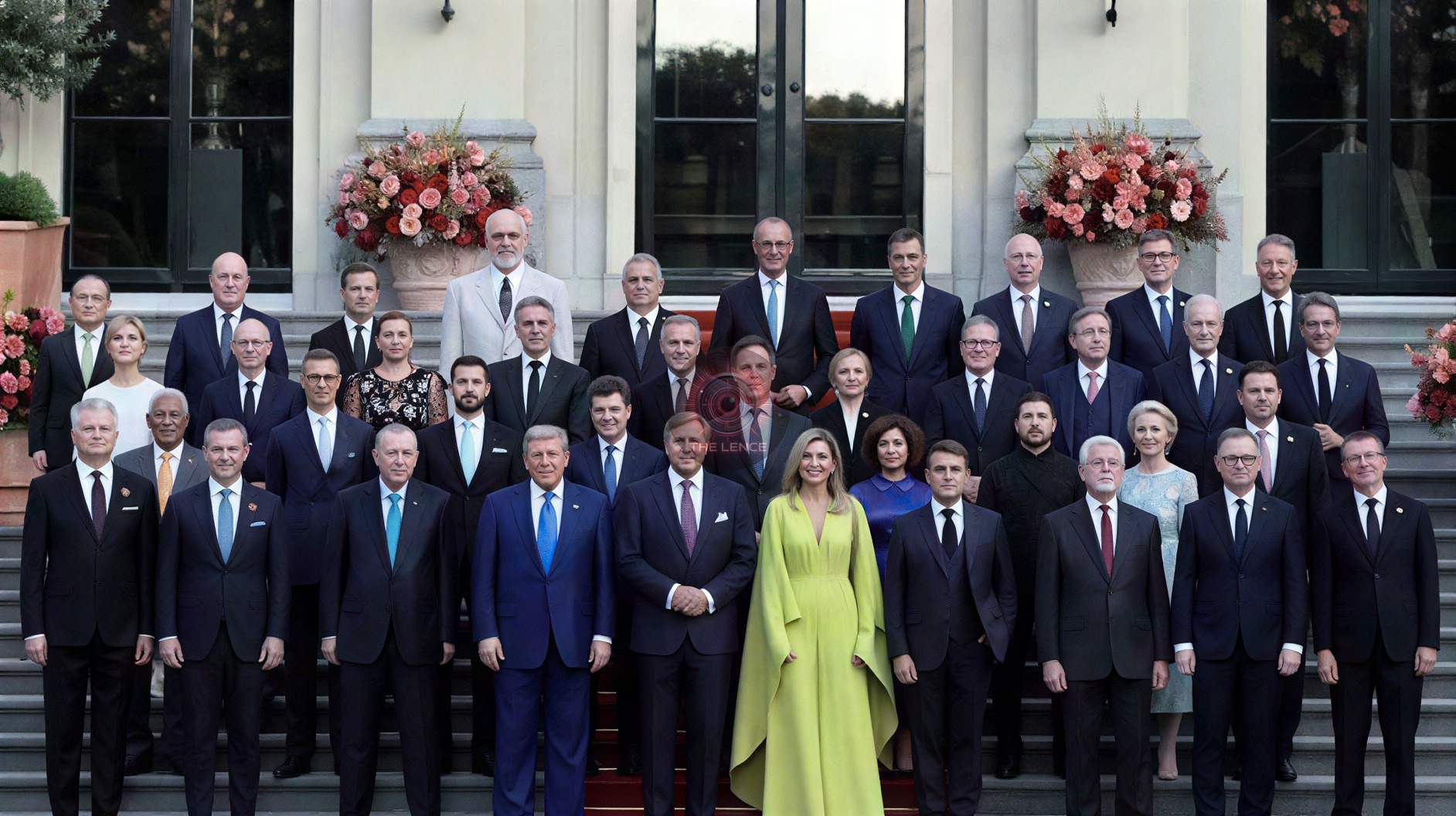
Tensions Within NATO: U.S. Considers Measures Against Allies Over Iran Conflict.
In an exclusive report, an internal Pentagon email reveals that the United States is contemplating significant actions against NATO allies who have not supported U.S. operations in the conflict with Iran. Measures include suspending Spain from NATO and reevaluating the U.S. stance on Britain's claim to the Falkland Islands. This development underscores growing tensions within the alliance and raises questions about its future cohesion.
Pentagon's Proposed Measures.
The email, prepared by Elbridge Colby, the Pentagon's top policy adviser, outlines various policy options aimed at punishing NATO allies perceived as uncooperative. These options reflect frustration over allies' reluctance to provide access, basing, and overflight rights (ABO) essential for U.S. operations in Iran. Colby emphasizes that ABO is the "absolute baseline for NATO.
Suspension of NATO Membership.
One notable option includes suspending "difficult" countries from prestigious NATO positions. Although President Donald Trump has criticized NATO allies for not supporting U.S. naval efforts to reopen the Strait of Hormuz, the email does not suggest a U.S. withdrawal from NATO or closing European bases. However, it highlights the need for allies to contribute more significantly to collective defense efforts.
Spain's Role and NATO's Response.
Spain, under its Socialist leadership, has refused to allow its bases or airspace to be used for attacks on Iran. Despite having two crucial U.S. bases—Naval Station Rota and Morón Air Base—the U.S. sees suspending Spain from NATO as a symbolic gesture to reduce European "entitlement.
Reassessment of the Falkland Islands' Status
The email also proposes reconsidering U.S. diplomatic support for European territories, particularly the Falkland Islands. While the islands are administered by the UK, Argentina, led by President Javier Milei, continues to claim them. The U.S. reconsideration could impact diplomatic relations, especially given Milei's alignment with Trump.
Britain's Position.
The UK maintains that the Falkland Islands' sovereignty lies with Britain and emphasizes the islands' right to self-determination. Prime Minister Keir Starmer's spokesperson reaffirmed this stance, amidst Trump's criticism of Starmer for his reluctance to join the U.S. war efforts.
Implications for NATO.
The U.S.-Iran conflict has exposed vulnerabilities within NATO, raising concerns about mutual assistance and collective defense. Allies like Britain and France have hesitated to join the U.S. blockade, fearing it would escalate their involvement in the war. However, they express willingness to assist once a ceasefire is established.
Future of the Alliance.
Defense Secretary Pete Hegseth highlights the strategic challenges posed by Iran's missile capabilities, which threaten Europe but not the U.S. This situation underscores the necessity for a unified NATO response. The current tensions might lead to a reevaluation of NATO's role and responsibilities among its members.
The Pentagon's internal deliberations indicate a critical juncture for NATO, where the alliance's unity and effectiveness are under scrutiny. As the U.S. considers measures against its allies, the future of transatlantic relations and collective security remains uncertain. The unfolding dynamics will require careful navigation to preserve NATO's foundational principles and ensure continued cooperation among member states.


Comments (0)
No comments yet. Be the first!
Leave a Comment