


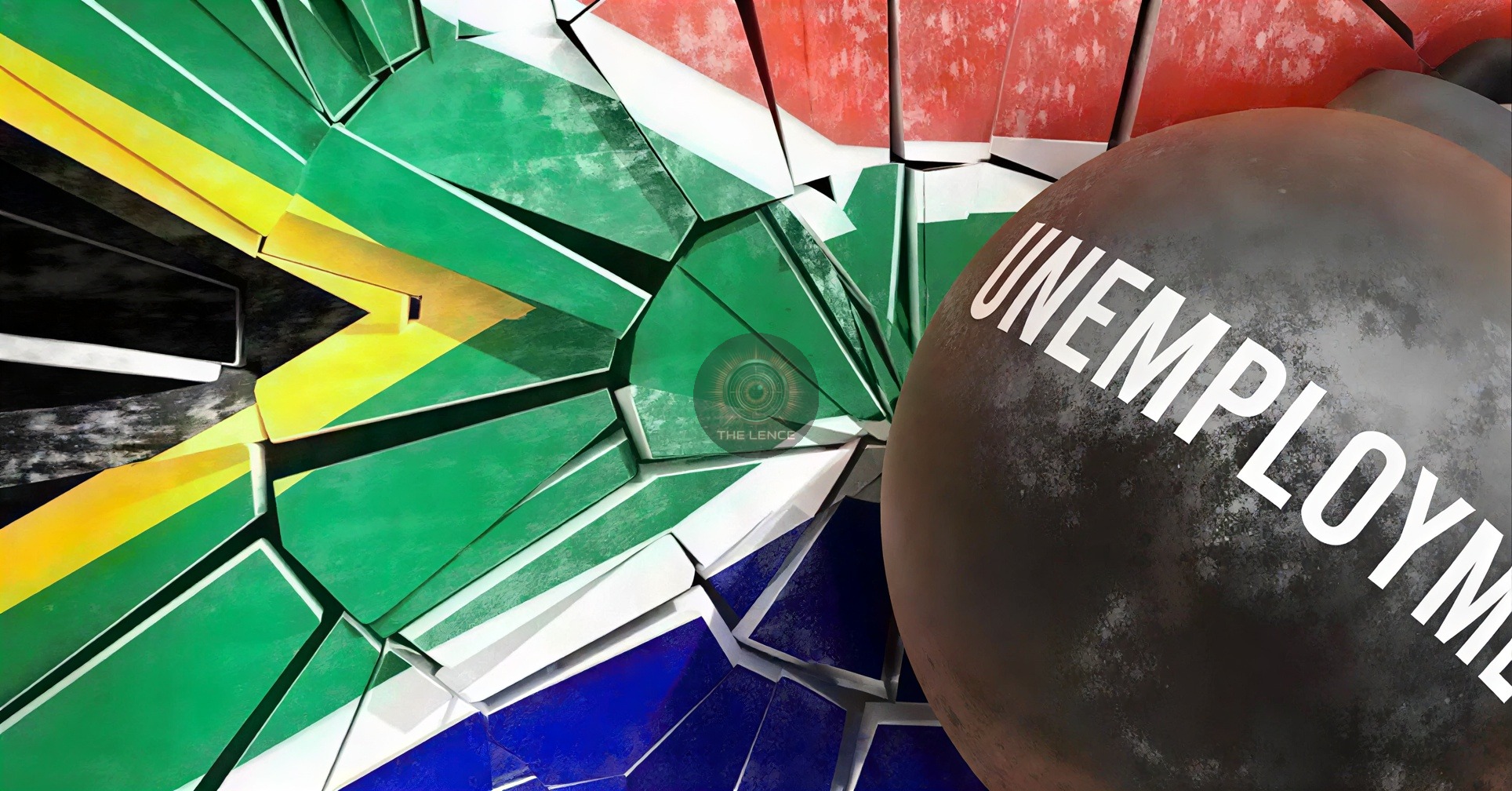
South Africa Faces Rising Unemployment Amid Structural Challenges and AI Restructuring.
South Africa's unemployment rate has surged to 32.7% in the first quarter of 2026, up from 31.4% in the previous quarter. This increase highlights the immense pressure on Africa's most industrialized economy and reverses recent gains.
The Current Situation.
According to data from Statistics South Africa, the number of unemployed individuals has exceeded 8.1 million as of March 2026. This setback follows a period of optimism when South Africa achieved its lowest unemployment rate in over five years at the end of 2025. Improved electricity supply and reduced logistics bottlenecks had fueled hope for a gradual recovery in job creation, but the recent figures have dashed those hopes.
Structural Challenges.
South Africa’s labor market is hindered by longstanding structural weaknesses such as:
- Slow economic growth
- Energy instability
- Weak industrial output
- Skills mismatch
These challenges have kept the labor market under constant strain, preventing meaningful employment growth.
The Role of Artificial Intelligence.
The rise of artificial intelligence (AI) as a disruptive force adds complexity to the labor market. Industries like banking, telecommunications, retail, and customer service are increasingly adopting AI technologies to reduce costs and enhance efficiency. While this shift generates demand for specialized digital skills, it leaves lower-skilled workers vulnerable in an already strained labor market.
Youth Unemployment Crisis.
Youth unemployment remains a significant issue, with rates consistently above 45%. This statistic underscores the difficulties faced by young, first-time job seekers in securing positions within the formal economy.
Government Response and Economic Reforms
President Cyril Ramaphosa's coalition government has prioritized job creation, focusing on initiatives such as:
- Infrastructure development
- Growth stimulation
- Private sector investment
Despite these efforts, economists argue that the reforms have not yet produced enough employment opportunities to accommodate the rapidly growing workforce.
Economic Conditions and Future Outlook
Business conditions remain uneven despite some improvements. While power shortages have decreased compared to previous years, investment confidence remains inconsistent. The manufacturing, mining, and construction sectors continue to struggle due to weak domestic demand and uncertain global economic conditions.
Broader Implications.
Rising unemployment not only affects economic statistics but also exacerbates inequality and social frustration in a nation already grappling with wide income disparities. The latest data will likely fuel debates about South Africa's ability to generate sufficient employment in an era increasingly defined by automation, digital transformation, and AI-driven changes in work nature.
As South Africa navigates these challenges, achieving sustainable economic recovery and employment growth requires concerted efforts from both the government and the private sector to address these complex issues.




Comments (0)
No comments yet. Be the first!
Leave a Comment