


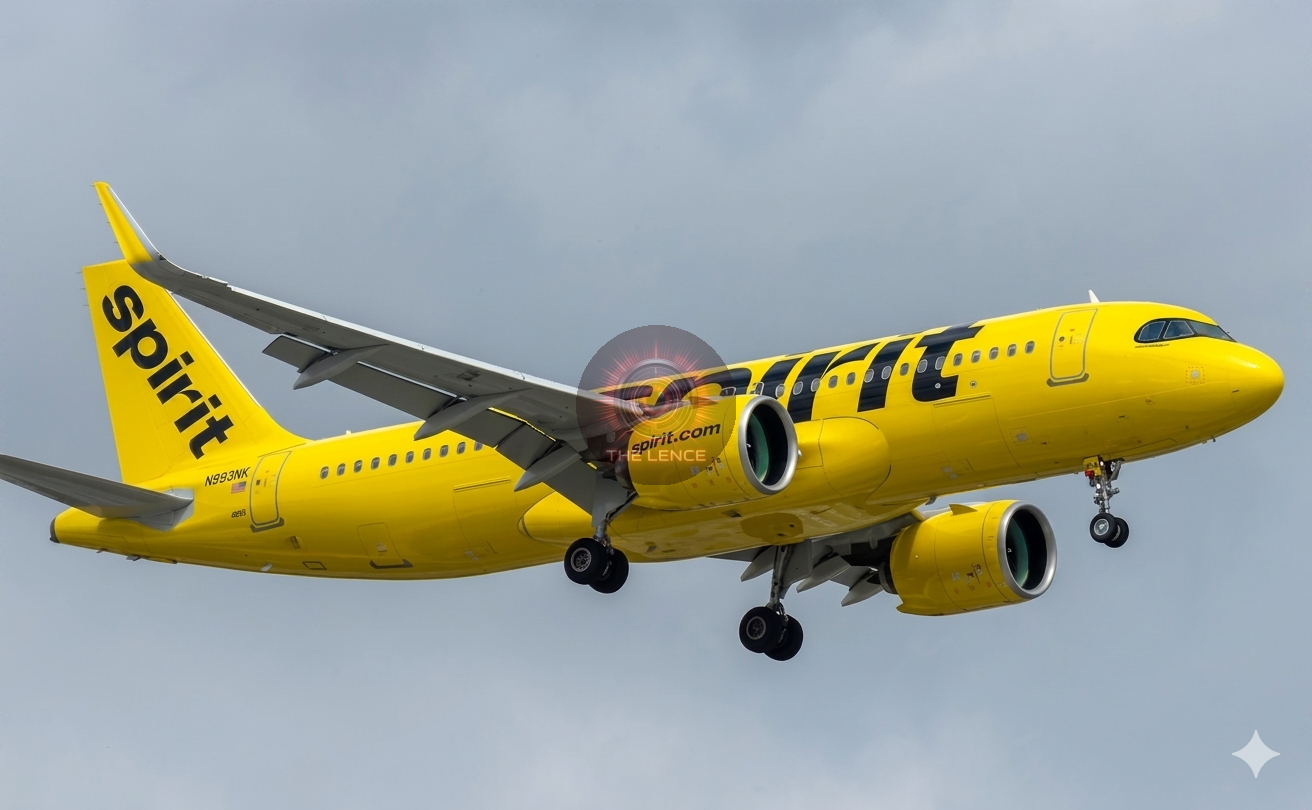
The economic shockwaves from the ongoing Iran war have begun to hit the global aviation industry, with Spirit Airlines becoming one of the first major casualties.
The ultra-low-cost carrier announced it would cease operations, pointing to a dramatic surge in jet fuel prices as the primary reason behind its shutdown. The spike in costs follows the closure of the Strait of Hormuz, a critical maritime route responsible for a large share of the world’s oil supply.
With the disruption in oil flows, average jet fuel prices in the United States have reportedly doubled, placing enormous financial strain on airlines—especially budget carriers that rely on tight cost structures to offer cheap fares. For Spirit, whose model depends heavily on minimizing expenses, the sudden increase in fuel costs proved unsustainable.
The collapse highlights the vulnerability of low-cost airlines to global energy shocks. Unlike larger carriers that may hedge fuel prices or diversify revenue streams, budget airlines often operate with limited financial buffers, making them more exposed during periods of volatility.
Beyond the company itself, the shutdown is expected to have wider consequences, including job losses, reduced competition in the airline market, and disruptions for passengers who depend on affordable travel options.
As tensions in the Middle East continue to affect oil markets, industry experts warn that more airlines could face similar challenges if fuel prices remain elevated, underscoring how geopolitical conflicts can quickly translate into economic fallout far beyond the battlefield.


Comments (0)
No comments yet. Be the first!
Leave a Comment