


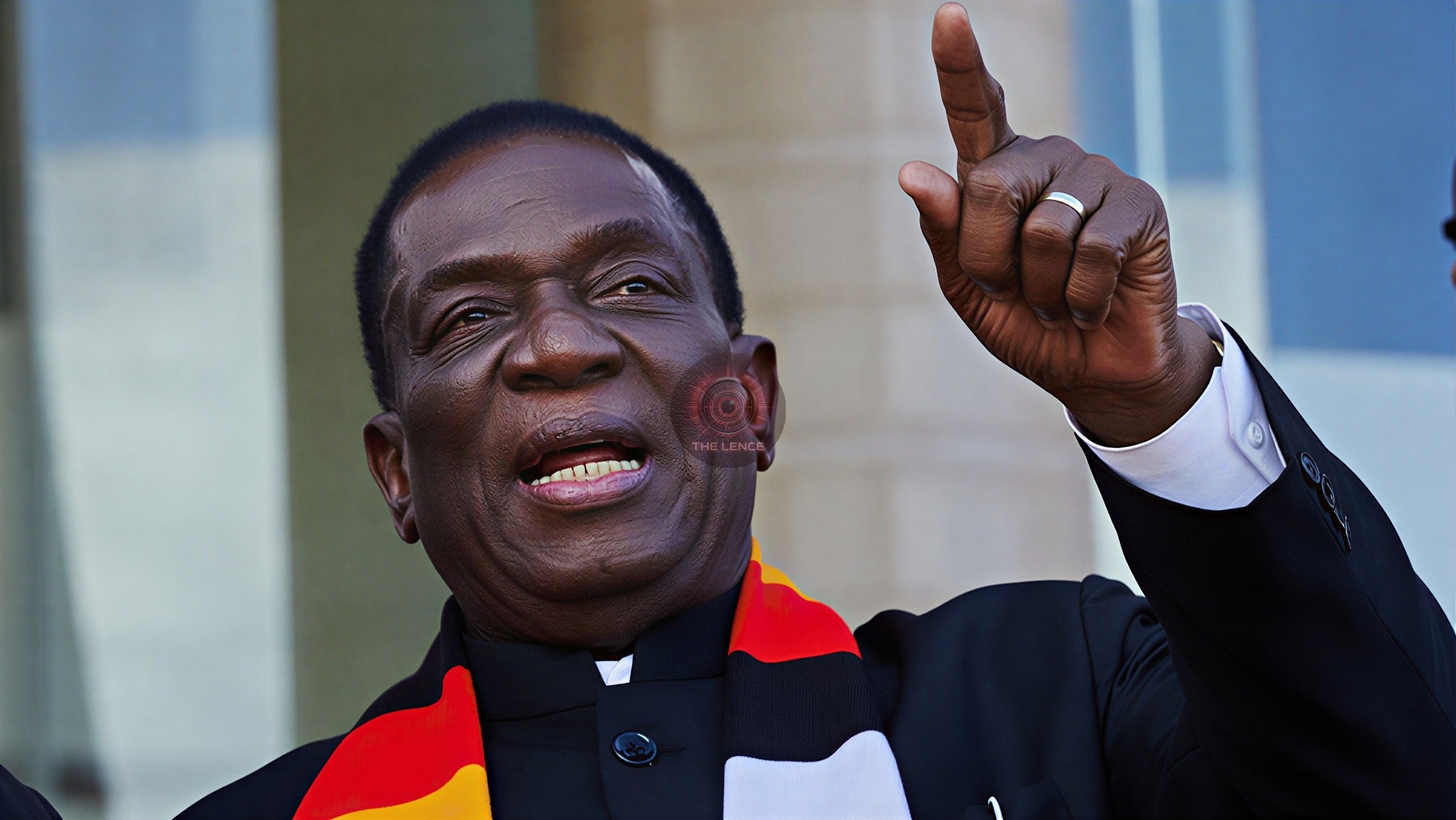
Zimbabwe Cabinet Approves Plan to Extend Mnangagwa’s Rule Till 2030.
In a significant political development, Zimbabwe's cabinet has approved draft legislation aimed at extending the presidential term limits, potentially allowing President Emmerson Mnangagwa to remain in office until 2030. This move has sparked a wave of reactions both within the ruling party and among opposition factions.
Proposed Changes to the Constitution.
The draft legislation includes several key amendments to the constitution:
- Extension of Presidential Terms: The proposed changes would increase the length of presidential terms from five years to seven years. This adjustment
- would enable President Mnangagwa, currently 83, to extend his leadership beyond the previously scheduled end of his term in 2028.
- Change in Election Process: Another significant proposal is the shift from a direct popular vote to a parliamentary election for the president. This could potentially consolidate power within the ruling party, as parliamentarians, rather than the general populace, would elect the president.
- Expansion of the Senate: The legislation also suggests expanding the Senate by allowing the president to appoint an additional 10 senators, increasing the total number of seats to 90. This could further strengthen the ruling party's influence in legislative processes.
Reactions and Implications.
Government's Perspective
Justice Minister Ziyambi Ziyambi announced that the bill would be sent to the speaker of parliament and published in an official gazette before it is considered by lawmakers. The cabinet's statement emphasized that the amendments aim to enhance political stability and ensure policy continuity, thereby facilitating the completion of development programs.
Opposition's Response.
The proposed changes have been met with criticism from opposition leaders and political analysts. The governing ZANU-PF party's "2030 agenda" has been a topic of contention, with opposition figures pledging to "defend the constitution against its capture." Jameson Timba, a senior leader in Zimbabwe's fractured opposition movement, described the cabinet's approval of the changes as "politically destabilising."
Succession Battle.
The potential extension of Mnangagwa’s rule has intensified the succession battle within the ZANU-PF party. Since Mnangagwa's rise to power following the ousting of longtime leader Robert Mugabe in 2017, there has been ongoing speculation about who will eventually succeed him.
Conclusion.
The approval of these constitutional amendments by Zimbabwe's cabinet marks a pivotal moment in the country's political landscape. As the proposed legislation moves to parliament, it is likely to provoke further debate and scrutiny both domestically and internationally. The unfolding political dynamics will be crucial in shaping Zimbabwe's future governance and democratic processes.


Comments (0)
No comments yet. Be the first!
Leave a Comment