





Understanding the UN Vote on the Transatlantic Slave Trade
The United Nations General Assembly's recent resolution declaring the transatlantic slave trade "the gravest crime against humanity" marks a significant moment in the global discourse on historical injustices. While the resolution is not legally binding, it sends a strong message about the international community's stance on the issue.
Context and Significance.
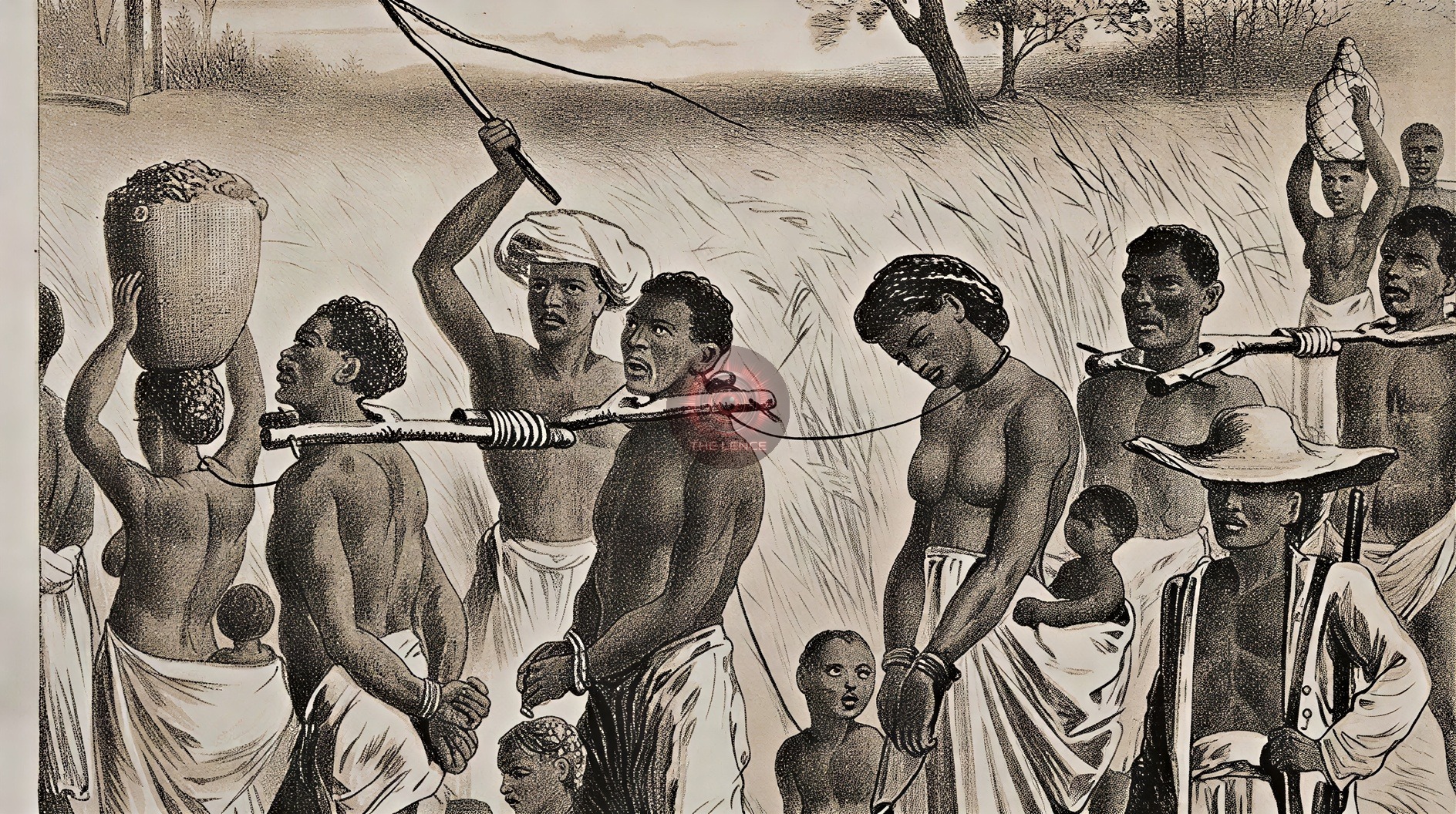
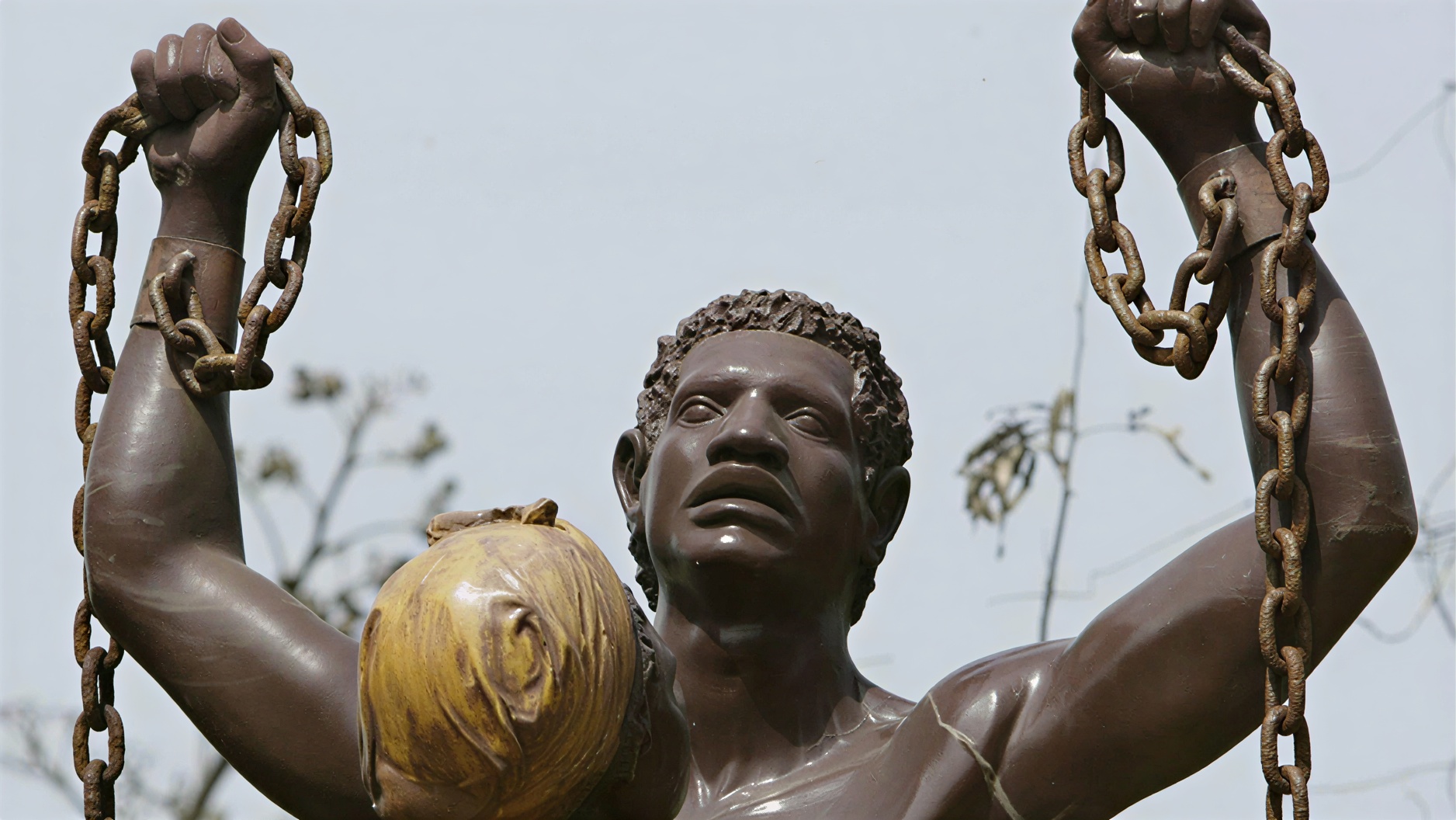
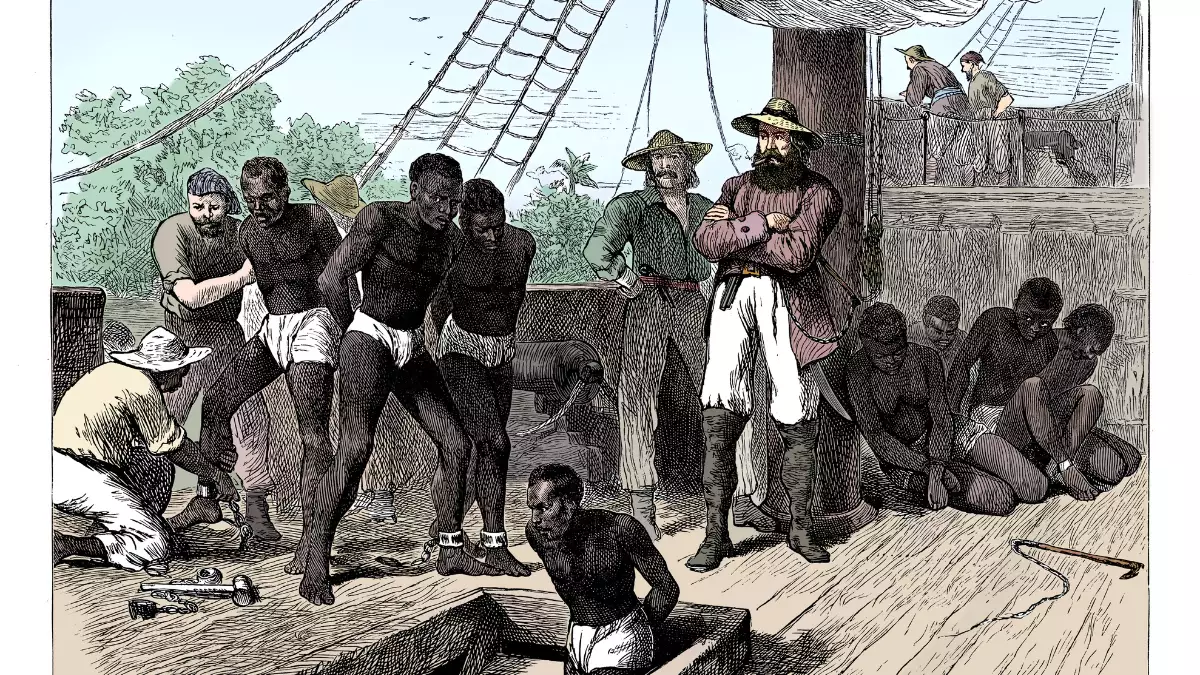
UN Secretary-General Antonio Guterres highlighted the profound impact of the slave trade, noting that Western wealth was built on the exploitation of enslaved Africans. The resolution, supported by African and Caribbean countries, calls attention to the brutal realities of the slave trade, which involved not just forced labor but also systematic dehumanization and violence.
Symbolic and Political Implications.
The resolution's passage by a vote of 123 to three, with 52 abstentions, signifies a political victory for those advocating for recognition and reparations. Although the resolution lacks legal force, its symbolic value is considerable. It may pave the way for increased discussions about reparations and influence how history is taught and understood globally.
The Case for Reparations.
Reparations are seen as a form of restitution for the descendants of enslaved Africans. The argument for reparations is based on the enduring impacts of slavery, which contribute to systemic inequalities today. For instance, in countries like Brazil, which received the largest number of enslaved Africans, racial disparities in poverty persist.
Historical Precedents.
Reparations have historical precedents, notably Germany's payments to Holocaust survivors. However, no country has paid reparations to the descendants of enslaved Africans. Post-abolition compensation often went to slave owners rather than the enslaved individuals or their descendants.
Arguments Against Reparations.
Opposition to reparations includes the notion that current generations should not bear responsibility for historical crimes. Additionally, the passage of time complicates identifying descendants accurately. Some critics argue that classifying African slavery as the "gravest crime" could diminish the suffering of other atrocity victims.
Potential Impact of the UN Decision.
While the UN resolution cannot compel nations to pay reparations, it lends political legitimacy to the cause. It may encourage countries to engage more actively in discussions about reparative justice. Grassroots movements and international pressure are crucial in advancing these
conversations.
The UN vote is a step toward acknowledging the historical injustices of slavery and its lasting effects. While the road to reparations is fraught with challenges, the resolution highlights the importance of continued dialogue and action to address the consequences of the past in the present.




Comments (0)
No comments yet. Be the first!
Leave a Comment