


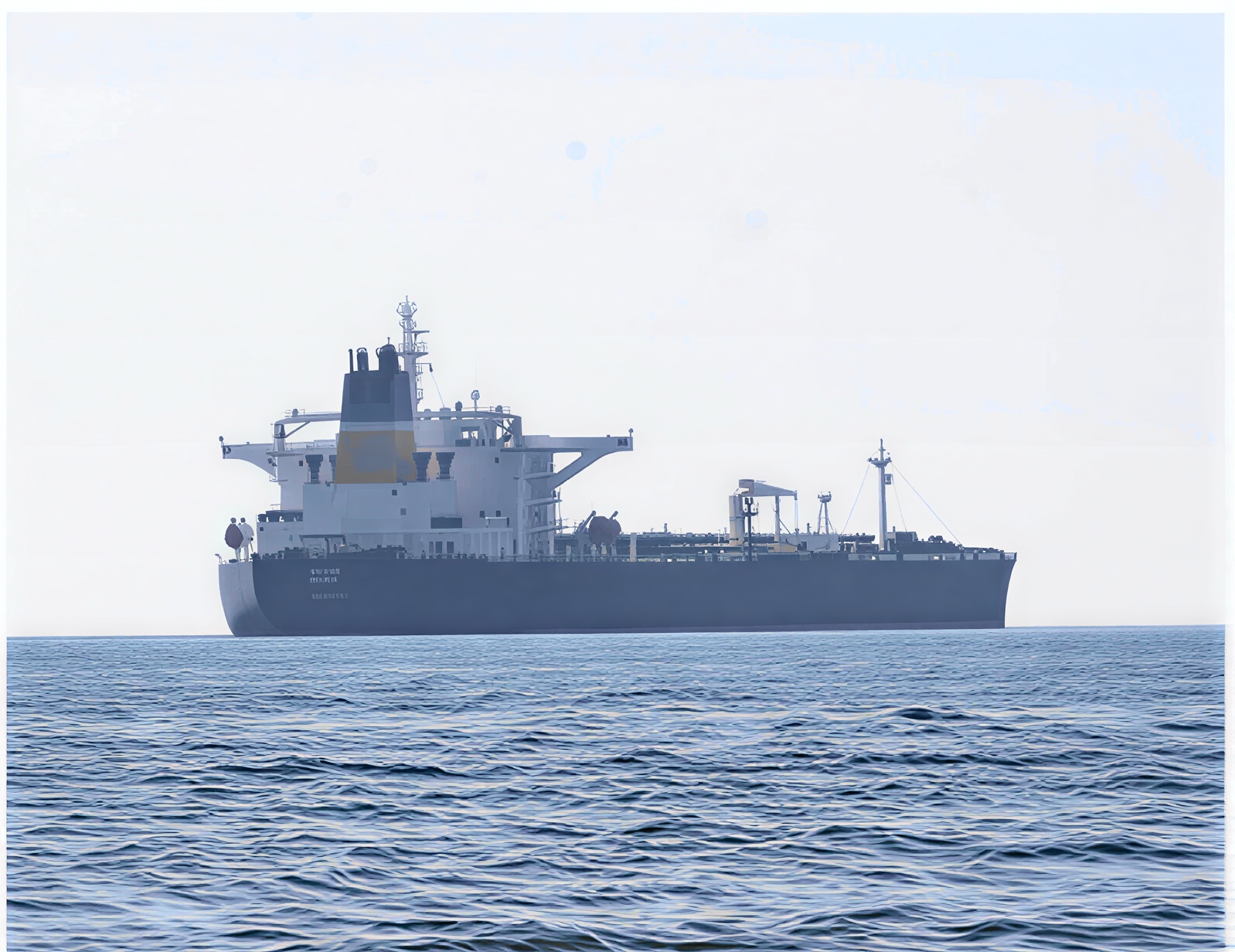
In a significant escalation against Moscow's sanction-evading tactics, the UK Prime Minister has authorized British armed forces to board Russian oil tankers in British waters. This move is aimed at tackling the shadow fleet of oil vessels that attempt to evade sanctions by using false national flags or opaque ownership structures. Downing Street has confirmed this new directive, which allows for more assertive actions against these vessels that export Russian crude oil while avoiding Western sanctions.
Background and Context.
The Royal Navy has a history of collaborating with allies to monitor and take action against these sanctioned vessels. Recently, the Royal Navy played a role in tracking a sanctioned Russian oil tanker in the Mediterranean, which was subsequently boarded by the French navy. This new authorization permits British armed forces or law enforcement to take further steps in preventing the shadow fleet from operating within UK waters.
Sanctions and International Cooperation.
Over 600 vessels are currently under sanctions by the EU, UK, and US. However, the newly implemented UK rules will specifically apply to those vessels sanctioned by the UK. On Thursday, UK Prime Minister Keir Starmer is set to attend the Joint Expeditionary Force (JEF) Summit in Helsinki. This UK-led alliance, which includes 10 NATO members, focuses on maritime security and will discuss strategies to combat Russia's shadow fleet. Other JEF members, such as Finland, Sweden, and Estonia, have already conducted operations against suspected shadow fleet vessels in the Baltic Sea.
Potential Implications and Reactions.
The main objective of these actions is to weaken Russia's economy and its ability to fund its military efforts in Ukraine. However, Russia has issued warnings that direct actions against its shadow fleet vessels could lead to direct conflict. Nikolai Patrushev, head of Russia’s maritime board, suggested that the Russian navy should be prepared to counter what he referred to as “western piracy.”
In support of these measures, UK Defence Secretary John Healey proposed the possibility of using military options against sanctioned vessels. He suggested that any oil seized could be sold, with proceeds directed to Ukraine. According to Lloyd’s List Intelligence, 23 shadow fleet ships utilizing false flags were identified in the Channel or Baltic Sea in January, with many linked to the export of Russian oil primarily to China, India, and Turkey.
Conclusion
The UK's decision to authorize armed forces to board Russian tankers marks a decisive step in the ongoing effort to enforce sanctions and curb Russia's shadow fleet activities. As tensions rise, international cooperation and strategic actions remain crucial in addressing the economic and military challenges posed by Russia's evasion of Western sanctions.



Comments (0)
No comments yet. Be the first!
Leave a Comment