


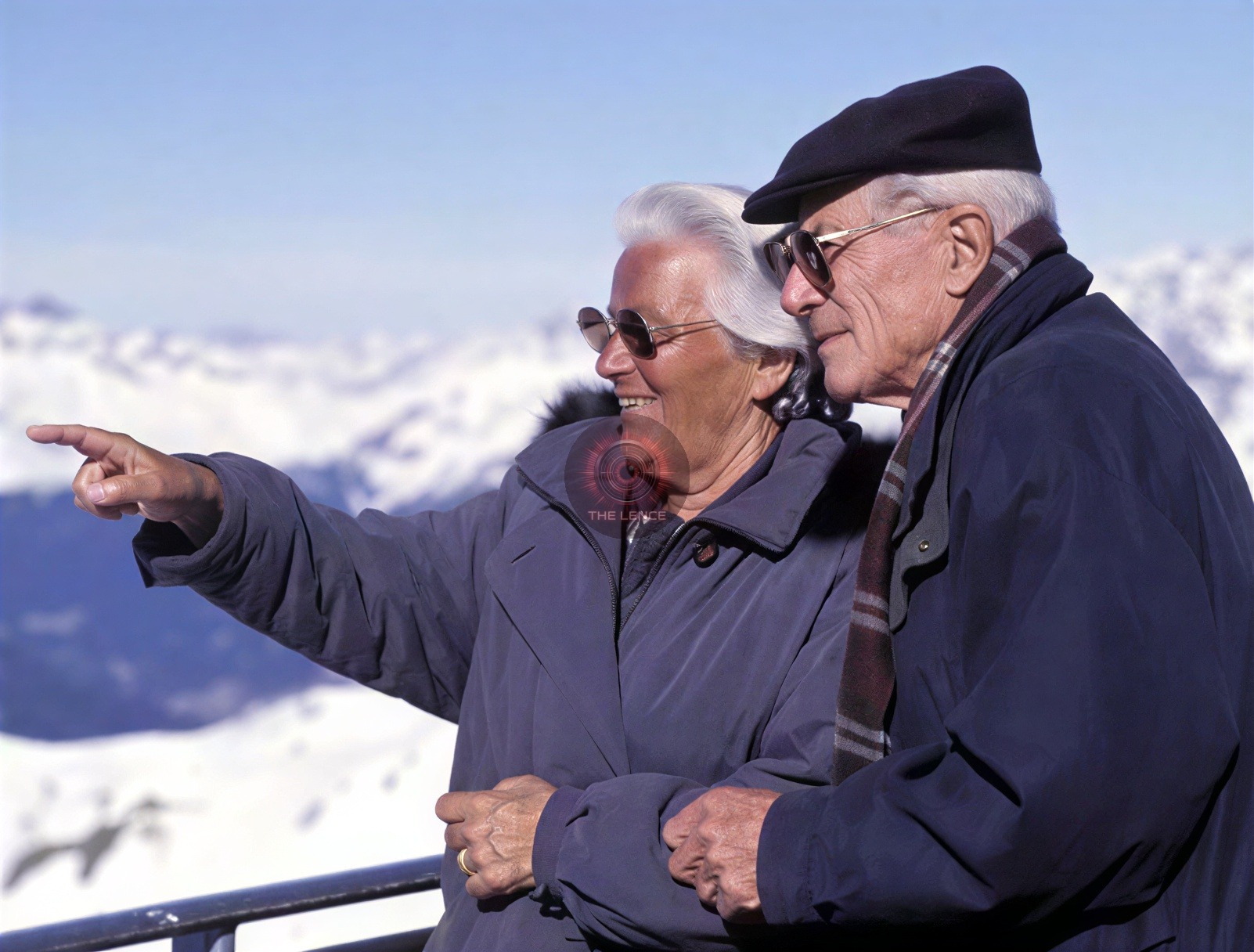
Switzerland is experiencing a significant demographic transformation as its aging population surpasses the number of young residents for the first time. According to provisional data released by the Swiss Federal Statistical Office, this shift marks a pivotal moment in the country's demographic landscape.
Population Growth and Aging Trends.
As of December 31, 2025, Switzerland's permanent resident population reached over 9.1 million, reflecting an increase of 73,300 people, or 0.8%, compared to 2024. Although the population continues to grow, this rate is noticeably slower than in previous years.
A landmark change has occurred in the age distribution: the number of people aged 65 and older has exceeded the number of those under 20. Each group now represents approximately one-fifth of the population, highlighting the long-term trend toward an aging society.
Decline in Birth Rates.
The country is experiencing a continued decline in birth rates for the fourth consecutive year. In 2025, births totaled 77,900, a drop of 0.5% from the previous year, although the decline's pace has slowed. The average number of children per woman slightly decreased from 1.29 in 2024 to 1.28 in 2025.
Increasing Life Expectancy.
Life expectancy in Switzerland continues to rise, with women living an average of 86.3 years and men 82.7 years. This increase contributes to the growing proportion of older adults in the population.
Stable Death Rates.
Deaths remained stable at 71,700, with nearly 90% occurring among individuals aged 65 or older. This stability in death rates further emphasizes the aging demographic trend.
Shifts in Migration Patterns.
Migration, traditionally a key factor in Switzerland's population growth, has weakened. Immigration decreased by 3.8% to 204,600, while emigration fell by 1.9% to 127,300. Consequently, the net migration balance dropped by 6.6% to 77,300, reflecting a narrower margin compared to previous years.
Changes in Marriage and Divorce Rates.
In 2025, Switzerland recorded 35,700 marriages, a decrease of 2.8% from the previous year. Similarly, divorces declined by 2.7%, totaling 15,700. If current trends continue, authorities estimate that nearly two in five marriages could eventually end in divorce, reflecting evolving social norms and family structures.
Conclusion.
Switzerland's demographic landscape is undergoing a significant transformation as the aging population surpasses younger generations. This shift presents challenges and opportunities for policymakers, businesses, and communities as they adapt to an increasingly older society. The decline in birth rates, changes in migration patterns, and evolving family dynamics will require strategic planning to ensure a sustainable and inclusive future for all residents.



Comments (0)
No comments yet. Be the first!
Leave a Comment