


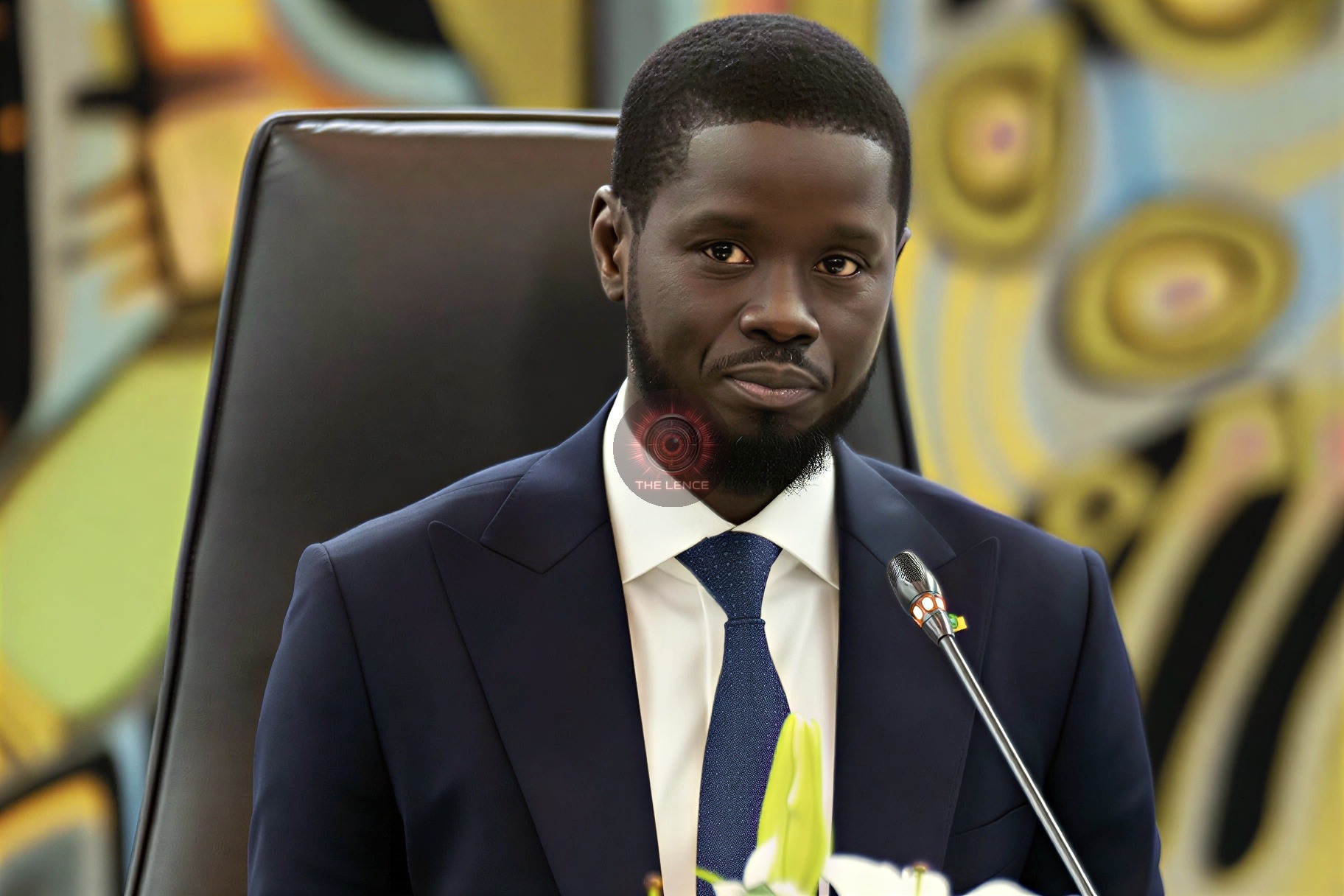
Senegal's New Legislation on Same-Sex Relations.
In a significant move, Senegalese President Bassirou Diomaye Faye has enacted a controversial law that doubles the maximum prison sentence for individuals found guilty of same-sex relations. The legislation, signed into law on Monday and documented in the official journal on Tuesday, reflects a severe crackdown on the LGBTQ community within the country.
Legislative Details.
The law, which passed with overwhelming support in the National Assembly, increases the penalty for same-sex relations to a maximum of 10 years in prison, up from the previous maximum of five years. It also introduces penalties for those found guilty of promoting or financing same-sex relationships, with potential prison terms ranging from three to seven years.
International and Local Reactions.
UN rights chief Volker Turk has expressed deep concern over the new legislation, stating that it contradicts fundamental human rights principles. Despite international criticism, the law has been met with approval from religious associations in Senegal, who have been vocal in their demands for stricter measures against same-sex relations.
Enforcement and Impact.
Since February, authorities have intensified their enforcement of anti-LGBTQ laws, resulting in the arrest of dozens under accusations often based on phone searches and public tips. The law also introduces penalties for false accusations related to same-sex offences, aiming to curb misuse of the legislation.
Legal and Social Implications
Under the new law, the most severe penalties are reserved for instances involving minors, with sentences also including significant fines ranging from two million to 10 million CFA francs ($3,500 to $17,600). This contrasts with previous fines that ranged from 100,000 to 1.5 million CFA francs.
Context and Future Outlook.
The issue of LGBTQ rights remains contentious in Senegal, often perceived as an imposition of foreign values. This perception has fueled public demonstrations and debates, with influential political figures like Ousmane Sonko advocating for harsher penalties. While the new law retains the classification of same-sex relations as a misdemeanour, the increased penalties signify a more stringent stance by the Senegalese government.
As the international community continues to respond, the implications of this legislation on Senegal's societal and diplomatic landscape remain to be seen. The balance between cultural values and human rights will be a critical area of focus in the ongoing discourse surrounding LGBTQ rights in the country.

Comments (0)
No comments yet. Be the first!
Leave a Comment