


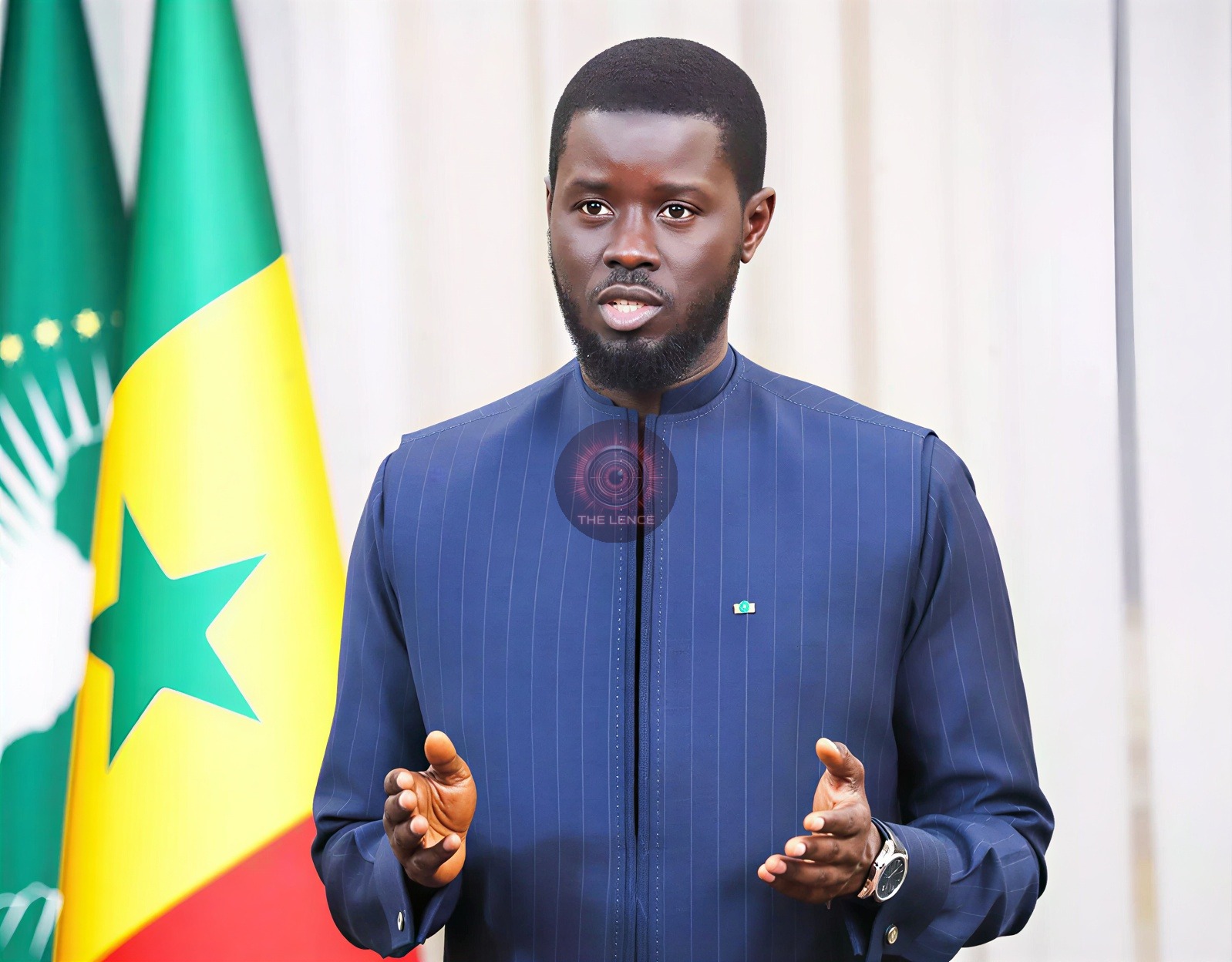
Senegal Bans Ministers from Foreign Travel as Oil Price Surge Impacts Economy
The Senegalese government has announced a ban on all non-essential foreign travel for its ministers, a measure aimed at curbing spending in light of rising oil prices. This decision was unveiled by Prime Minister Ousmane Sonko during a youth rally on Friday, highlighting the economic challenges posed by the conflict in Iran.
Rising Oil Prices and Economic Impact.
Prime Minister Sonko expressed concern over the escalating costs, noting that the current price per barrel of oil is nearly double what was anticipated in the national budget. As a result, Sonko has postponed his own planned visits to Niger and Spain, emphasizing the necessity of the travel restrictions.
In response to the oil price hike, Senegal plans to introduce additional measures to manage government expenditures. The mines minister is expected to announce these strategies in the coming week. This move is part of a broader trend across the African continent, where countries are adjusting their policies by reducing fuel levies and rationing electricity to cope with the situation.
Message to the Youth.
During his address to the youth, Sonko reassured his audience, acknowledging the difficulties while emphasizing the resilience of the Senegalese people. He urged them to understand the complexities of the global economic environment without feeling alarmed or pressured.
Senegal's Economic Context.
Despite Senegal's burgeoning oil and gas sector, the country remains heavily reliant on fuel imports. Last year, the International Monetary Fund (IMF) praised Senegal's economy as "robust," citing a growth rate of nearly 8% and low inflation levels. However, the nation is grappling with a significant public debt, which exceeds 130% of its annual economic output.
Prime Minister Sonko, who assumed office two years ago, attributed the hefty debt to the previous administration, asserting that it has exacerbated the current challenges posed by the oil price increase.
In summary, Senegal's decision to ban non-essential ministerial travel is a strategic effort to mitigate the economic strain caused by rising oil prices. As the government navigates these challenges, it remains committed to maintaining fiscal responsibility and supporting the resilience of its people.

Comments (0)
No comments yet. Be the first!
Leave a Comment