


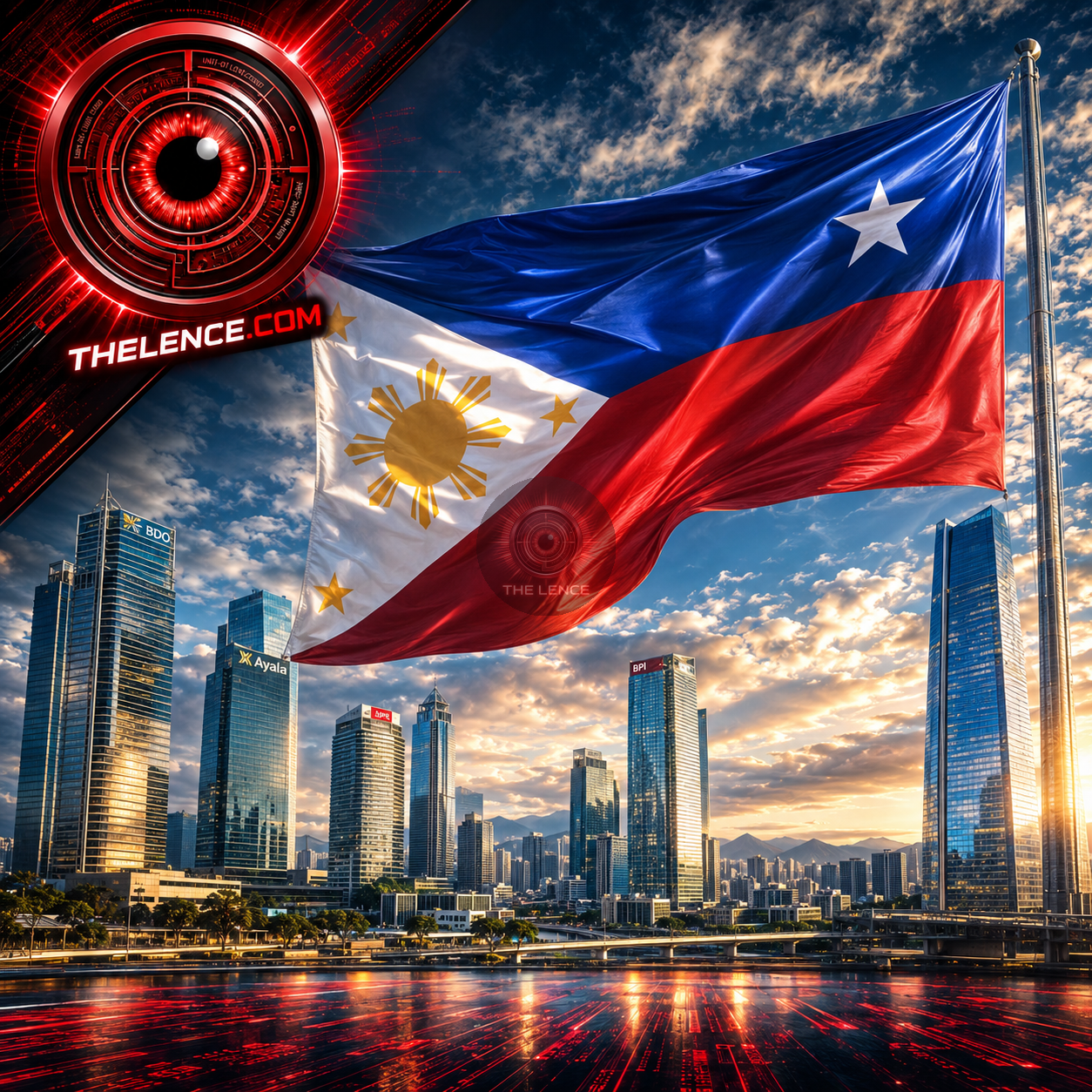
In a quiet but significant diplomatic move on the sidelines of this year’s APEC Ministers Responsible for Trade Meeting, Philippines Trade and Industry Secretary Cris A. Roque sat down with Chile’s Vice Minister for International Economic Relations Paula Estévez on May 23, 2026, and agreed to fast‑track their long‑running Comprehensive Economic Partnership Agreement (CEPA).
What might look like just another routine bilateral meeting carries far greater weight: it marks a determined push to formalize the first free trade link between the Philippines and South America, and could fundamentally reshape how both nations connect across the vast Pacific.
For observers of Asia‑Pacific trade dynamics, the timing and focus of the talks are hardly accidental.
Negotiations began back in late 2024, and have since moved steadily through four formal rounds, covering everything from goods market access and rules of origin to digital trade, investment, and sanitary standards.
By all accounts, technical teams have already closed chapters on technical barriers, public procurement, and economic cooperation, with only the most sensitive market‑access details left to resolve.
Secretary Roque’s decision to raise the matter directly with Vice Minister Estévez in Suzhou sends a clear message: Manila wants this deal done and signed before the year ends.
From the Philippine perspective, the strategic logic is straightforward.
The country has been aggressively expanding its network of trade agreements, seeing them as key to attracting investment, lowering costs for consumers, and helping local companies compete globally.
The Chile pact stands out, however, as it opens the door to an entire continent that has historically been distant and difficult to reach for Southeast Asian businesses.
Chile is not only one of Latin America’s most open and stable economies; it also serves as a natural gateway to major markets across the region, with existing trade deals covering almost the whole of South America.
Chile, for its part, brings its own set of priorities to the table.
Long a champion of open trade and economic integration, Santiago views the Philippines as a vital entry point into Southeast Asia — one of the world’s fastest‑growing consumer markets and a manufacturing hub at the heart of regional supply chains.
For Chilean exporters, especially in agriculture, food processing, mining, and renewable energy technology, removing tariffs and simplifying customs procedures would mean cheaper, faster access to over 110 million people, and through the Philippines, to the wider ASEAN bloc.
Economically, the gains on paper are substantial.
Current bilateral trade remains relatively modest — roughly US$700 million annually — but both sides see massive untapped potential.
Philippine mangoes, bananas, processed foods, electronics, and automotive parts are already popular in Latin America, while Chilean wine, fresh fruit, meat, dairy products, and copper‑related materials are in high demand in the Philippines.
Under the CEPA, tariffs on most of these goods would eventually fall to zero, while services providers and investors would gain better guarantees and more streamlined rules to operate across borders.
Beyond the immediate commercial benefits, the agreement carries broader geopolitical and economic‑diplomatic meaning.
For the Philippines, it represents another step away from over‑reliance on traditional partners in North America, Europe, and Northeast Asia, and toward building a more diversified, resilient trade portfolio.
It also aligns perfectly with the government’s stated goal of positioning the country as a serious player in global economic governance — one that can strike balanced, modern agreements that cover not just trade in goods, but also digital commerce, environmental standards, labor rights, and support for small businesses.
There are, of course, challenges ahead.
Even with strong political will, finalizing the text will require hard compromises on both sides.
Sensitive sectors — notably agriculture on the Philippine side and certain industrial goods in Chile — will need careful treatment to protect domestic industries while still delivering real liberalization.
There are also practical questions about how quickly businesses on both sides can adapt, how customs systems will align, and how effectively the agreement will be enforced.
Past experience shows that signing is only half the battle; the real work begins with implementation.
Still, the mood in Suzhou was unmistakably positive.
Both officials emphasized that their economies complement each other well rather than compete, and that this partnership is about creating new opportunities rather than shifting existing trade flows.
In a global environment where protectionist pressures are rising and supply chains are being redrawn, this move stands out as a bold, forward‑looking choice: one that prioritizes openness, connectivity, and long‑term partnership over short‑term gains.
If all goes to plan, the Philippines‑Chile CEPA will be signed before the close of 2026, becoming a blueprint for how Southeast Asia and Latin America can deepen their ties.
For Manila, it will be a landmark achievement — proof that the country can bridge continents and shape its own place in the global economy.
For Chile, it will strengthen its role as a trans‑Pacific bridge, linking two of the world’s most dynamic economic regions.
And for businesses and consumers on both sides, it will mean more choice, lower prices, and a new, direct pathway between two very different but increasingly connected parts of the world.


Comments (0)
No comments yet. Be the first!
Leave a Comment