


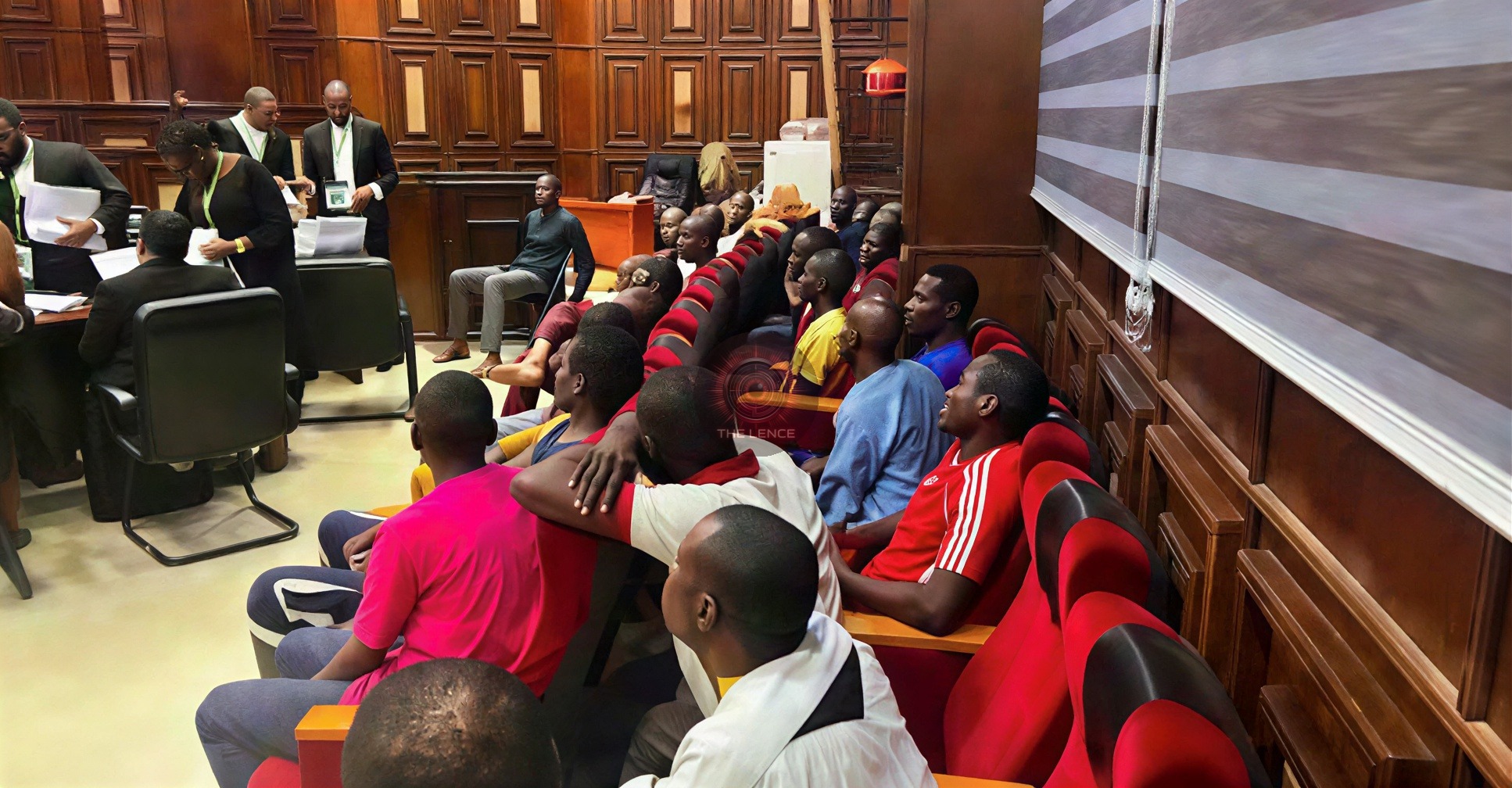
Nigeria's Mass Trial: Over 300 Terrorism Convictions
In a significant development in Nigeria's battle against terrorism, a court in the capital city of Abuja concluded a mass trial on Friday, resulting in the conviction of more than 300 suspects. This trial, which unfolded over four days, marked a substantial effort by the Nigerian government to address the ongoing security crisis in the country.
The Trial and Convictions
The mass trial commenced on Tuesday, with a large number of defendants choosing to plead guilty to the charges presented by the government. These charges were part of a broader crackdown on terrorism-related activities in the region. Subsequently, many of those convicted received sentences of up to 20 years in prison, following their appearance before a panel consisting of 10 judges.
The attorney general of Nigeria, speaking to journalists after the trial, highlighted the scale and significance of the proceedings: “In total, we brought about 508 cases. Of these 508, we were able to secure 386 convictions. We have been able to bring justice to them, or bring them to justice. So this is the clear signal that we are sending.”
The Security Crisis in Nigeria.
Nigeria continues to grapple with a multifaceted security crisis, particularly in its northern regions. For over a decade, the country has faced an insurgency led by groups such as Boko Haram and its splinter faction, Islamic State West Africa Province (ISWAP), which is affiliated with the Islamic State group. Additionally, the IS-linked Lakurawa group operates in the northwestern areas bordering Niger Republic.
Furthermore, tensions between predominantly Muslim Fulani herders and mainly Christian farming communities over land and grazing rights frequently escalate into violent confrontations, particularly in the north-central and northwestern regions. These disputes, alongside the activity of criminal gangs involved in kidnappings for ransom, contribute to the country's complex security challenges.
The Humanitarian Impact.
The insurgency in northeastern Nigeria has had devastating consequences, leading to significant loss of life and displacement. According to the United Nations, many lives have been disrupted as communities continue to endure the brunt of these conflicts. The Nigerian government's ongoing efforts to prosecute and convict those involved in terrorism and related activities are a critical component of its strategy to restore peace and stability in the region.
In conclusion, the mass trial and subsequent convictions represent a pivotal moment in Nigeria's fight against terrorism. While challenges remain, these legal proceedings underscore the government's commitment to addressing the security issues that have long plagued the nation.



Comments (0)
No comments yet. Be the first!
Leave a Comment