


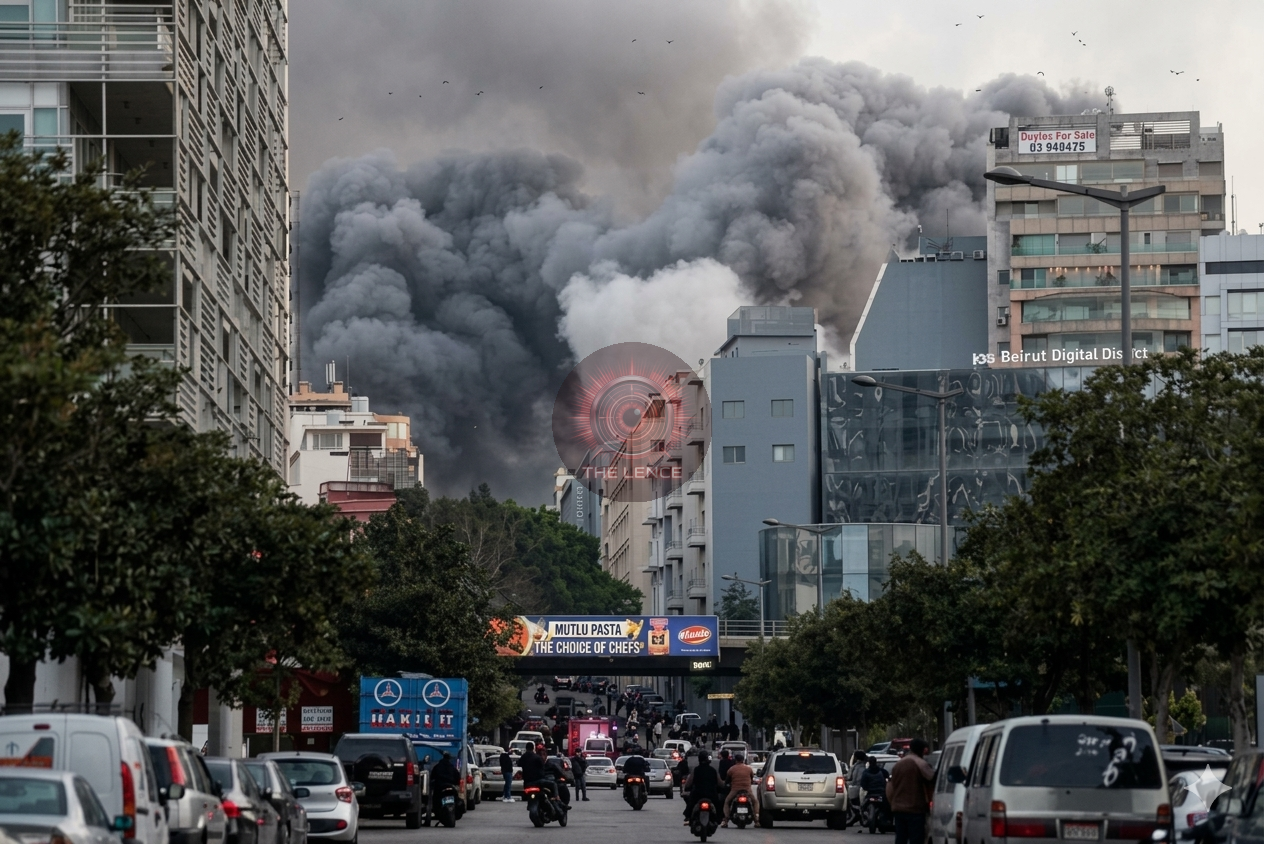
Tensions along the Israel–Lebanon frontier have intensified, leaving deep humanitarian and political consequences across Lebanon. The militant group Hezbollah is facing growing scrutiny at home after waves of Israeli military operations displaced hundreds of thousands of Shi’ite Muslim civilians, many of whom form the group’s core support base.
Israeli strikes, aimed at weakening Hezbollah’s military capabilities, have reportedly killed several thousand of its fighters. The scale of the losses has not only affected the group’s operational strength but has also triggered broader debate within Lebanon about the cost of continued confrontation with Israel.
Entire communities in southern Lebanon and parts of the Bekaa Valley have been uprooted, with families fleeing their homes amid fears of further escalation. Temporary shelters and overcrowded host communities are struggling to cope, raising concerns about a prolonged humanitarian crisis.
Domestically, Hezbollah is encountering increasing resistance from political rivals and segments of the public who question the group’s status as an armed force operating alongside the Lebanese state. Critics argue that its military actions expose the country to devastating retaliation, while supporters maintain that its armed presence is essential for deterrence against Israeli aggression.
The evolving situation has sharpened divisions within Lebanon’s fragile political landscape. As calls grow louder for the state to assert greater control over all armed groups, Hezbollah finds itself navigating both external military pressure and internal political challenges that could reshape its role in the country’s future.



Comments (0)
No comments yet. Be the first!
Leave a Comment