


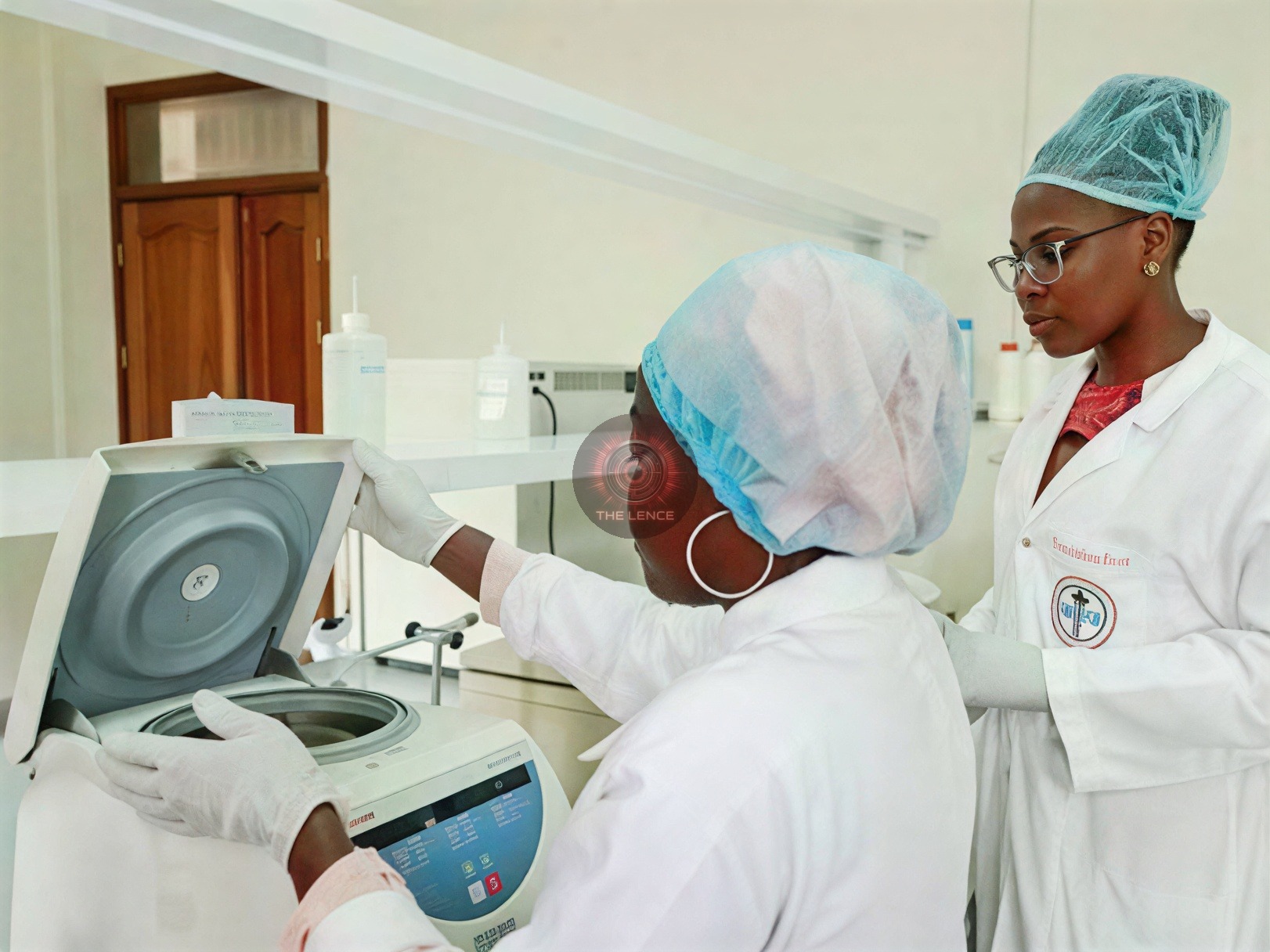
Minerals for Aid: Are New US Health Deals Exploiting African Countries?
In recent years, the United States has shifted its approach to foreign aid, leading to contentious debates and concerns about exploitation. African countries, in particular, have been at the center of this controversy due to new bilateral health agreements proposed by the US. These agreements have sparked criticism and resistance, with some nations accusing the US of exploiting their resources in exchange for much-needed health aid.
The US Aid Shift.
In late 2025, the US made a surprising move by suspending global health aid, a decision that experts warned could result in an additional 700,000 deaths annually, primarily affecting children. In response, Washington proposed bilateral health agreements with developing countries, many of which are in Africa. Critics argue these deals have an exploitative nature, as they often tie aid to demands for health data or access to critical minerals.
African Nations Push Back.
Zimbabwe and Zambia are two countries that have publicly opposed these agreements. Zimbabwe withdrew from negotiations after deeming the terms "lopsided," while Zambia highlighted "problematic" clauses demanding access to its mineral resources, such as copper, cobalt, and lithium. Despite the potential $1 billion in funding, Zambia requested a review of the deal, concerned about the long-term impact on its fiscal independence.
Controversy and Consequences.
The US's unprecedented approach of linking health aid to national assets has raised alarms among policy experts. Tying aid to mineral extraction could have detrimental effects on the sovereignty and development of African nations. While some countries, like Nigeria and Kenya, have signed these agreements, the lack of transparency around the terms remains a major concern.
Historical Context and Impact.
African countries have historically relied on US funding for health initiatives. The abrupt cut in aid by the Trump administration in 2025, including the dismantling of USAID, had severe repercussions, leading to thousands of preventable deaths and a surge in diseases like malaria. The US government justified these cuts as aligning with its "America First" agenda, but the long-term impact on global health is evident.
Seeking Sustainable Solutions.
The US's demand for mineral access in exchange for aid emphasizes the need for sustainable, domestically financed health systems in African countries. Analysts argue that while reducing dependency on foreign aid is crucial, the transition must not compromise essential health services. The controversy in Zambia, where US aid is crucial for HIV treatment, illustrates the delicate balance needed.
Conclusion.
The US's new approach to health aid deals with African countries has sparked significant debate and resistance. While some nations have signed agreements, others have pushed back against the perceived exploitation. The situation highlights the need for equitable and transparent aid practices that respect the sovereignty and development goals of recipient countries. As the global community navigates this complex landscape, finding a middle ground that addresses both immediate health needs and long-term sustainability is essential.



Comments (0)
No comments yet. Be the first!
Leave a Comment