


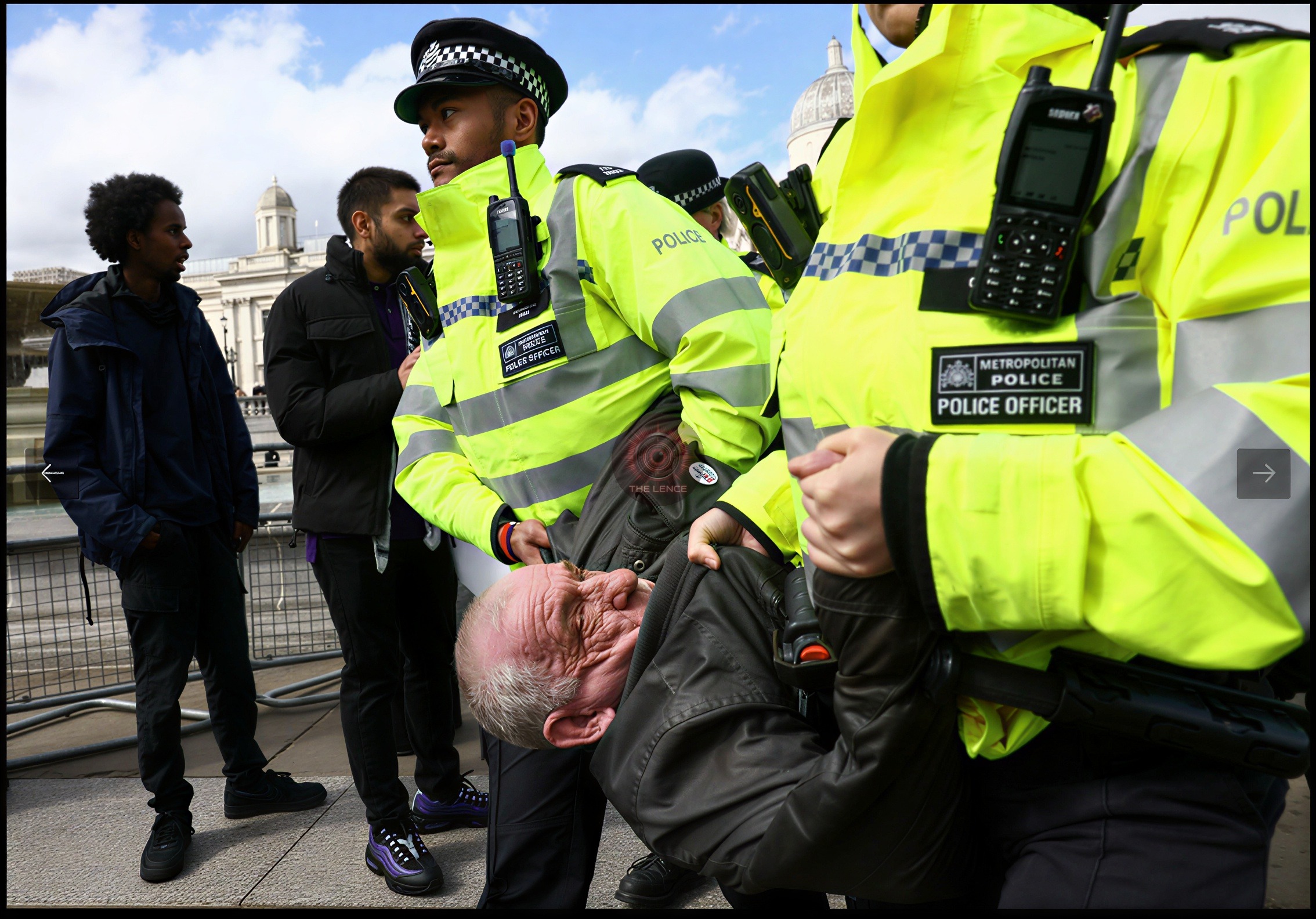
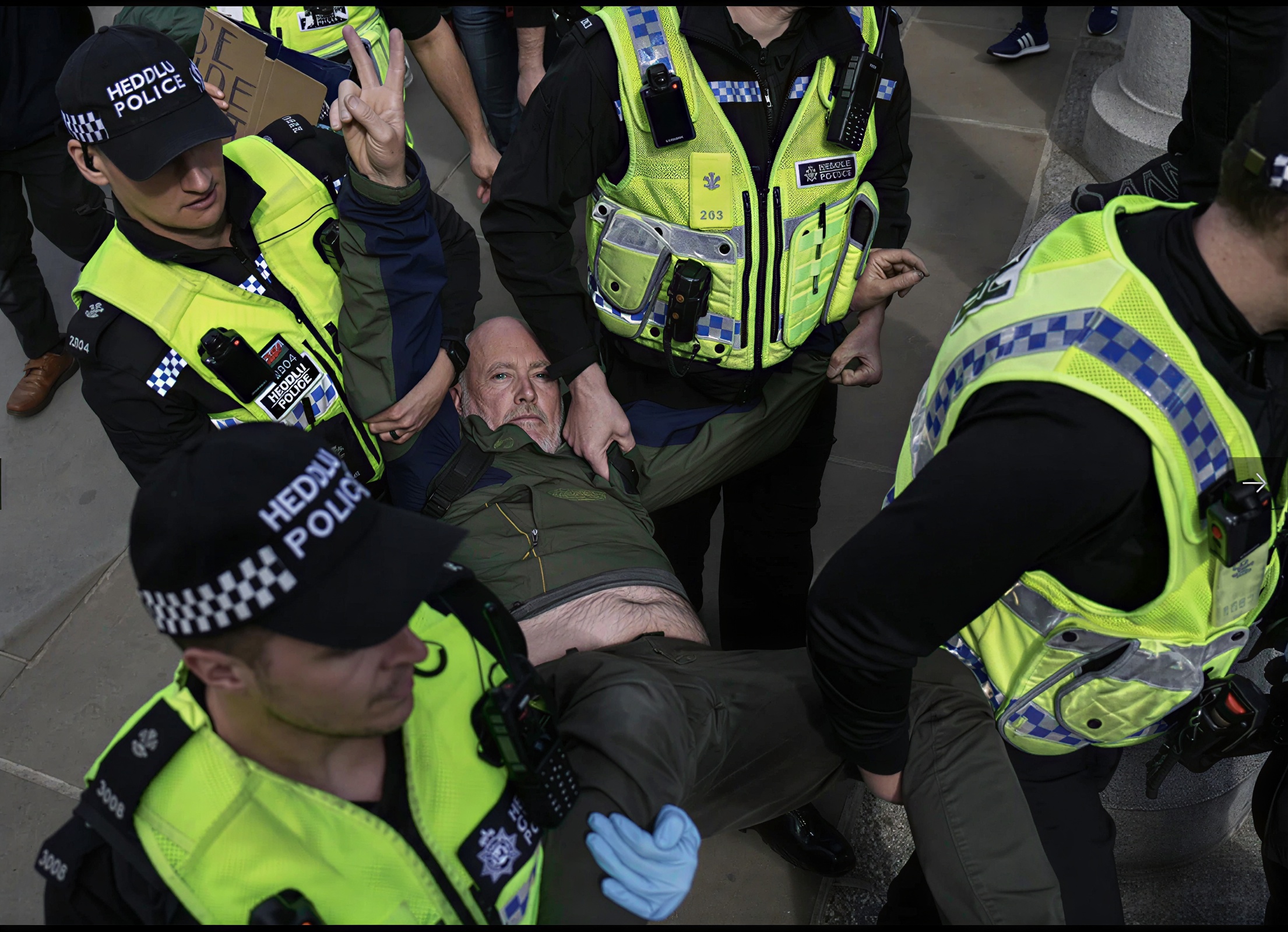
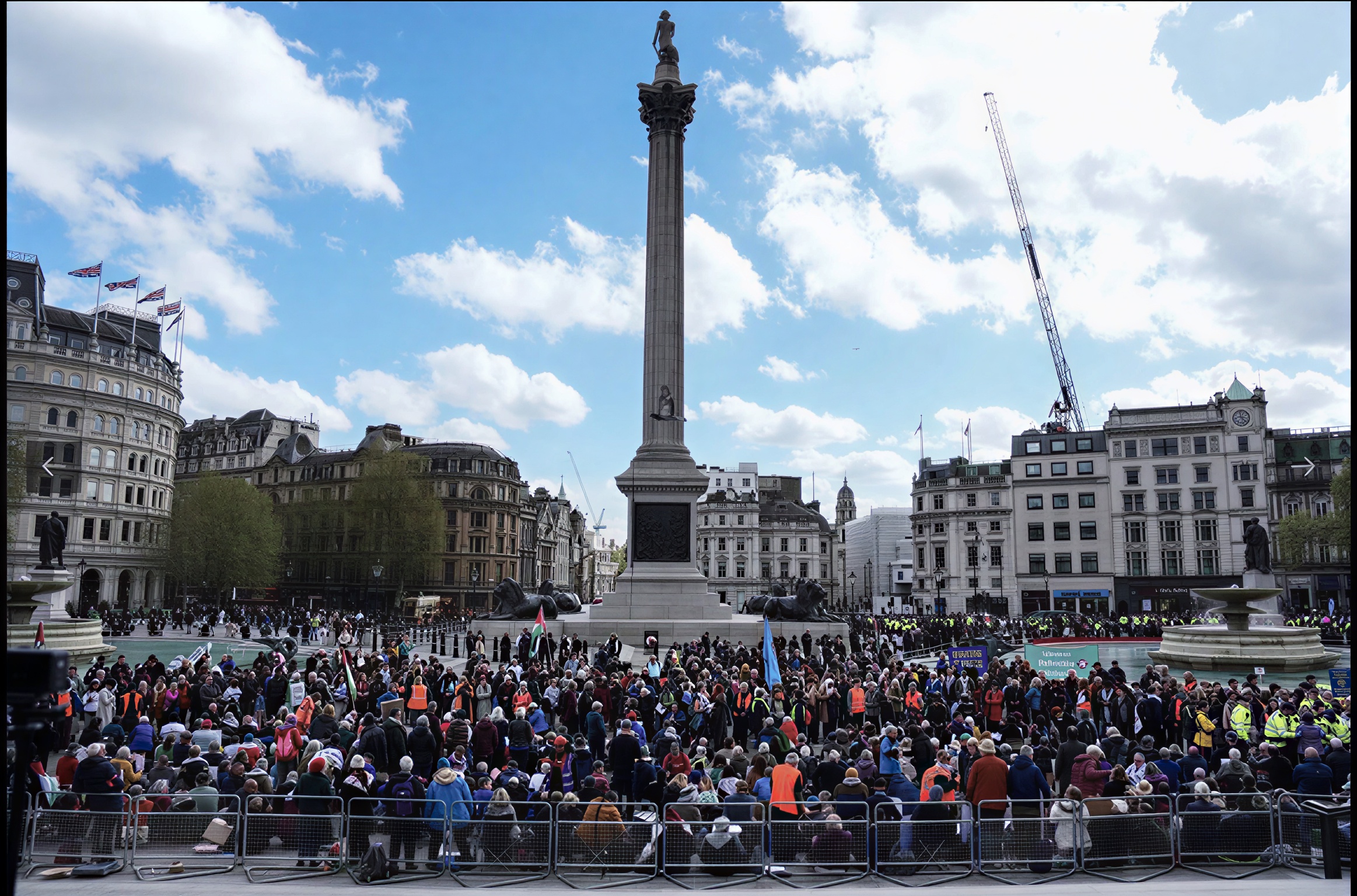
The recent mass demonstration in London against the proscription of Palestine Action resulted in the arrest of over 500 individuals. This event marked the first large-scale protest since the ban on the group was deemed unlawful by the high court.
Demonstration Details
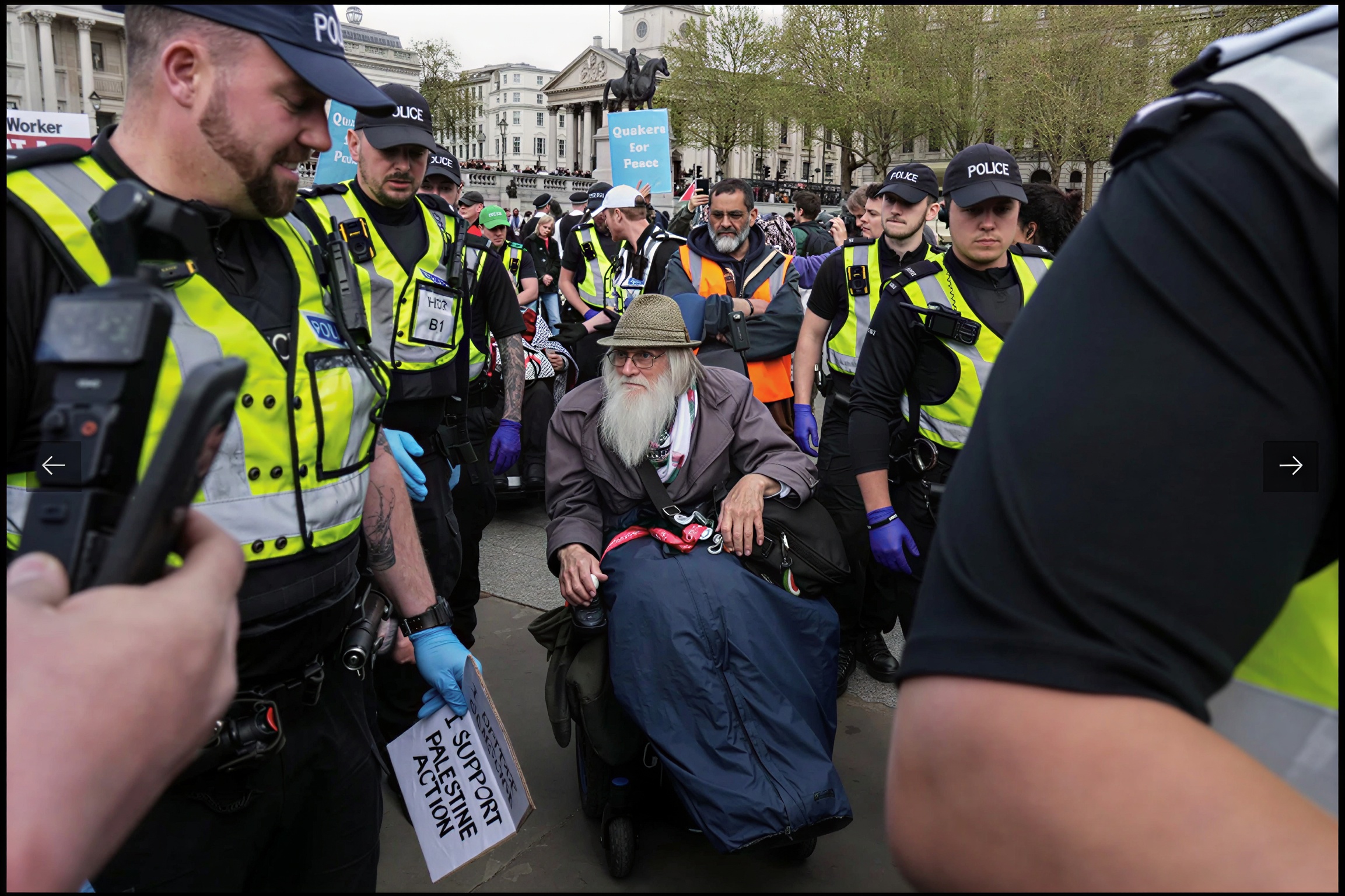
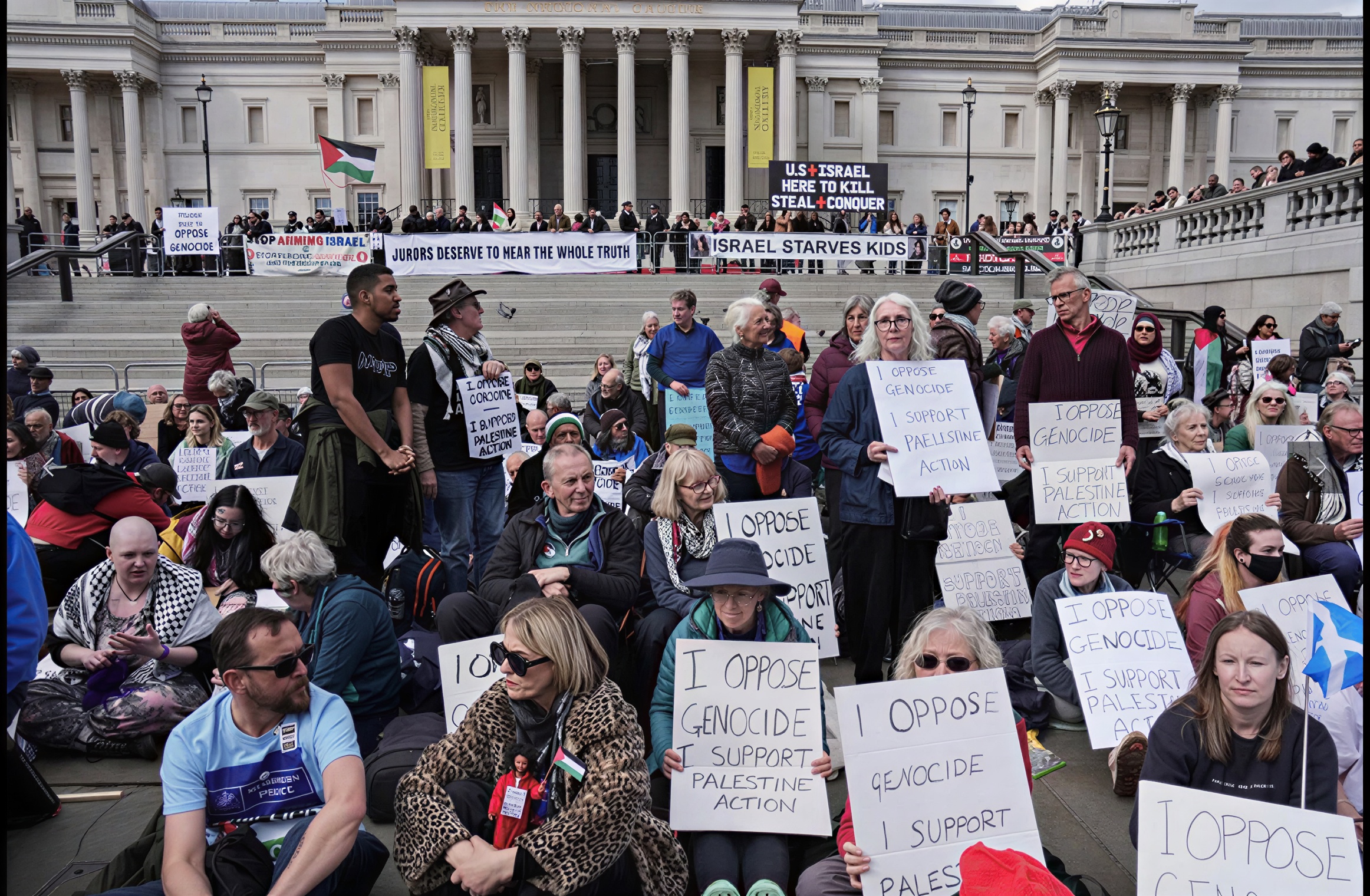
Hundreds of demonstrators gathered in Trafalgar Square, London, wielding signs with slogans such as “I oppose genocide.
I support Palestine Action.” Participants, ranging from 18 to 87 years old, included individuals dressed as suffragettes and others donning masks of Keir Starmer. Among the protestors was Mike Higgins, a blind disabled man whose prior arrests have sparked public outrage.
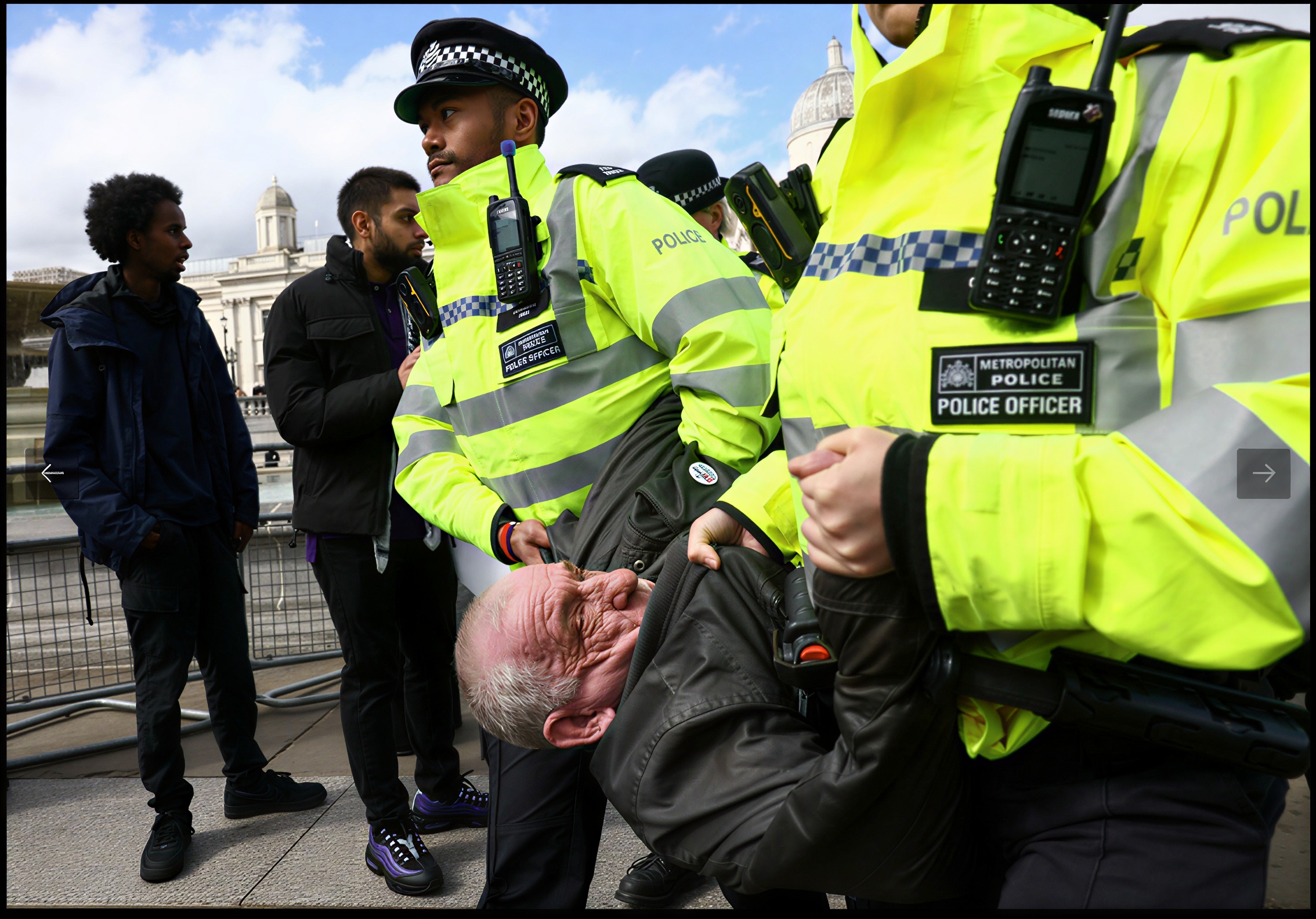
Large banners at the protest read: “Jurors deserve to hear the whole truth” and “Israel starves kids.” Arrests began around 1 pm, with several demonstrators being carried away by police officers. By 2:50 pm, 92 arrests had been made. The Metropolitan Police reported a total of 523 arrests by midnight.
Legal and Public Responses.
The demonstration was organized by Defend Our Juries, who have criticized the arrests as unlawful, considering the high court's ruling. A spokesperson for the group described the situation as “truly surreal,” highlighting the absurdity of the government's actions ahead of an upcoming Court of Appeal hearing.
Qesser Zuhrah, a former prisoner affiliated with Palestine Action, emphasized the global opposition to the ban, condemning the British government’s stance on the issue. Zuhrah articulated the protestors' perspective, stating that those manufacturing and utilizing weapons for violence are the true terrorists.
Kamran Ahmed, another former hunger striker, expressed solidarity with the protestors, emphasizing the importance of resisting governmental overreach on free speech and protest rights. Ally, a 72-year-old sculptor, and Andy Simons, a retired British Library curator, echoed these sentiments, emphasizing the importance of free speech and the absurdity of the proscription.
Government and Police Stance.
Shabana Mahmood has been granted permission to appeal the high court's decision. Following the initial high court ruling, the Metropolitan Police announced a temporary halt in arrests under the Terrorism Act. However, following the home secretary's appeal permission, the police revised their enforcement strategy.
Met Commander Claire Smart advised protestors of the legal risks, citing previous events associated with Palestine Action that involved disruptions and alleged verbal or physical abuse. In contrast, Defend Our Juries maintained that their actions remain peaceful and nonviolent.
The ongoing tensions and legal battles highlight the complex interplay between protest rights, governmental authority, and judicial oversight in the UK. As the Court of Appeal hearing approaches, the situation remains a focal point for discussions on civil liberties and the right to protest.


Comments (0)
No comments yet. Be the first!
Leave a Comment