


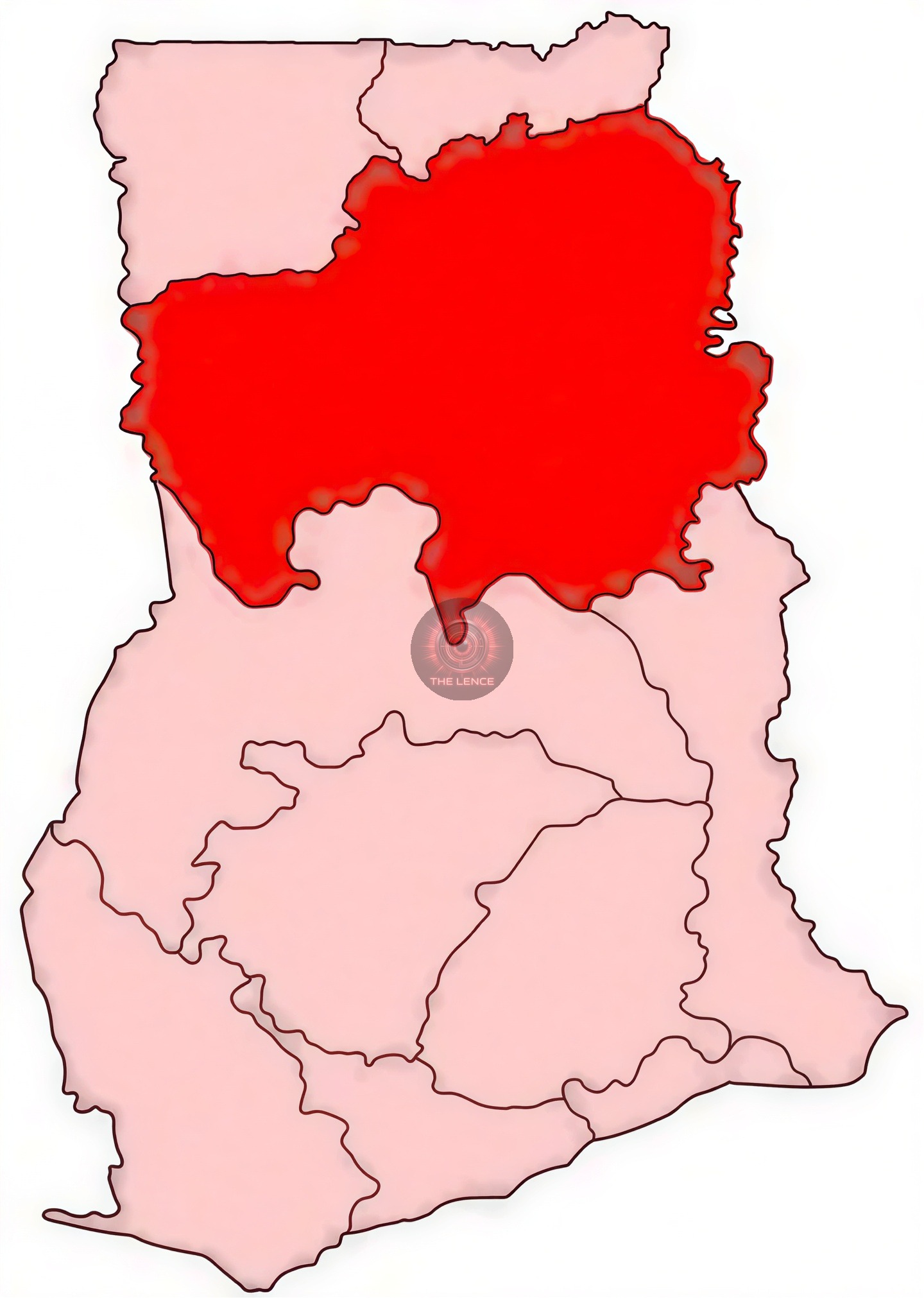
Kpandai District's Funding Boost and Development Plans
Introduction.
At a recent town hall meeting, the Kpandai District Chief Executive (DCE), Haruna Abudu-Karim, announced a significant increase in funding for the district. The district has received GH¢15.47 million as its share of the 2025
District Assemblies Common Fund (DACF), a substantial rise from the previous annual average of less than GH¢1.5 million recorded between 2020 and 2024.
Enhanced Infrastructure and Services
Mr. Abudu-Karim emphasized that the increased funding would accelerate infrastructure development and improve service delivery across the district. This aligns with the goals set out in the Local Governance Act, 2016 (Act 936), which seeks to promote transparency, accountability, and citizen participation in local governance.
Priority Areas for Funding.
The DACF allocation will be utilized according to national guidelines, focusing on several priority areas:
- Health facilities
- School infrastructure
- Boreholes
- Sanitation
- School furniture
- Administration
- Legacy projects
- A proposed 24-hour economy market
Revenue Mobilization Efforts.
The DCE reported that the assembly generated GH¢269,555.18 in Internally Generated Funds (IGF) in 2025, achieving 89% of its target. The assembly had already mobilized GH¢109,956.13 in the first quarter of 2026, showing optimism about surpassing its annual target.
Strategies for Improvement
To enhance revenue generation, the assembly has implemented several strategies:
- Formation of a revenue mobilisation task force
- Intensified monitoring to reduce leakages
The assembly anticipates additional funding from the Responsive Factor Grant (RFG) due to its strong performance in recent assessments, which will be invested in critical infrastructure projects.
Infrastructure and Education Developments
Mr. Abudu-Karim highlighted ongoing infrastructure projects under the government’s “Big Push” initiative, including:
- Katiejeli–Kabonwule–Kitare road
- Roads within the Kpandai township
- Kpandai–Salaga road (expected to begin soon)
- Construction of 17 boreholes to improve access to potable water
Educational Achievements.
In the education sector, the district emerged as the best-performing district in the 2025 Basic Education Certificate Examination (BECE) in the Northern Region.
Healthcare Excellence
The district was also recognized as the best in healthcare delivery in the region, with ongoing construction of school projects and CHPS Compounds to enhance healthcare services.
Disaster Response and Security
In response to a recent storm, the assembly, in collaboration with the National Disaster Management Organisation (NADMO), provided relief to 271 victims, offering food, bedding, roofing sheets, and household supplies.
Security Concerns.
The DCE acknowledged that while the district remains relatively peaceful, land disputes and chieftaincy tensions pose ongoing challenges. He assured residents that the District Security Council (DISEC) would engage stakeholders to maintain peace and stability.
Strengthening Governance
Mr. Abudu-Karim condemned acts of vandalism against installations of the Kpandai Town Water System and warned of prosecution for offenders. He also announced the reactivation of all seven Area Councils, restoring their bank accounts and providing administrative support to strengthen grassroots governance and revenue mobilisation.
Conclusion
The DCE appealed to chiefs, religious leaders, and residents to support government policies and actively participate in local governance, emphasizing that development is a collective effort.

Comments (0)
No comments yet. Be the first!
Leave a Comment