


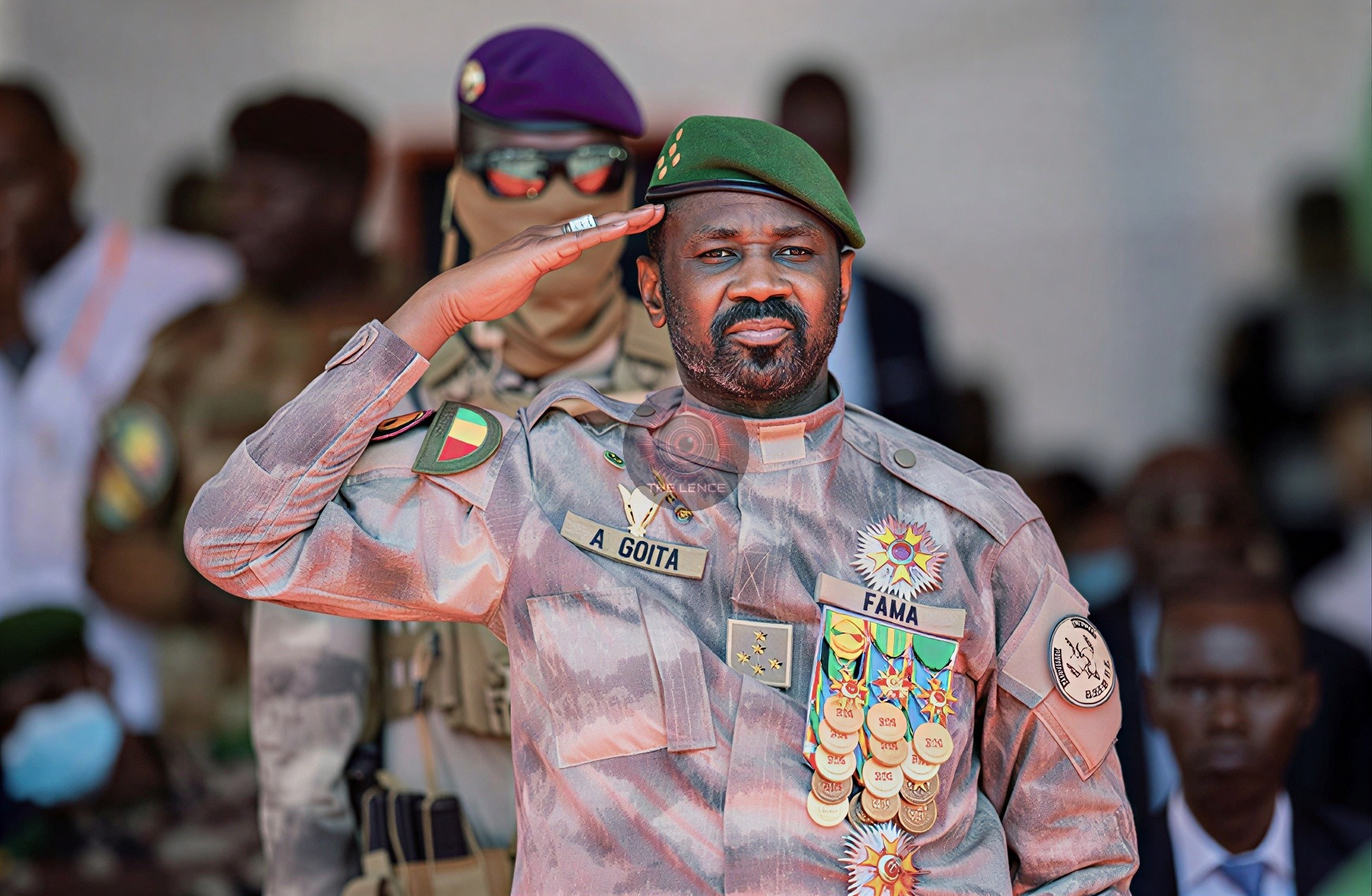
Mali declared independence from France in 1960. Since then, it has faced numerous challenges to its sovereignty, particularly from armed groups in the north. These groups have carried out four significant uprisings, with the latest posing substantial threats to the military government's authority.
Current Situation.
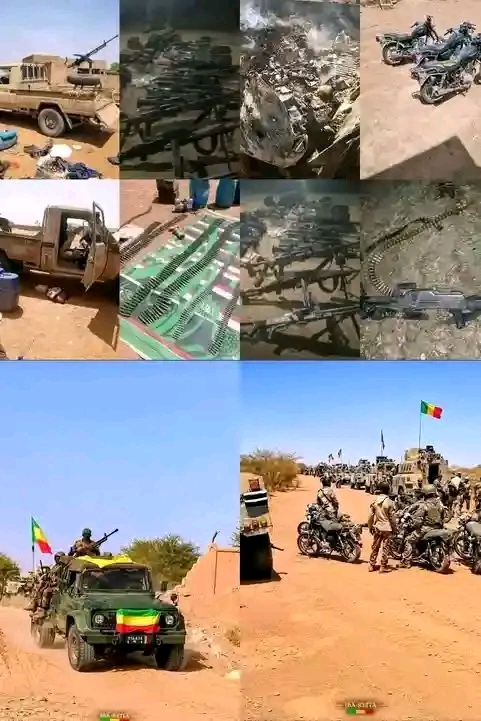
The current military government came to power following a coup in 2020. However, its grip on the nation is being tested as a coalition of armed groups, including those linked to al-Qaeda, have joined forces with Tuareg rebels to seize control of several towns. This situation marks a critical juncture in Mali's ongoing struggle for stability and governance.
International Involvement.
In its efforts to counter these armed factions, the military government has sought assistance from Russian forces to drive insurgents from the Sahel region. However, tensions have escalated with the military government accusing its former colonial power, France, of backing the recent attacks against them. This international angle adds a complex layer to Mali's internal conflicts and its relationships with foreign powers.
Future Prospects.
The key question now is whether the military government will seek regional support to maintain its hold on power. The potential for international or regional alliances could play a significant role in determining Mali's future political landscape.
Expert Insights.
Oluwole Ojewale.
Oluwole Ojewale, the Regional Coordinator for West and Central Africa at the Institute for Security Studies, might provide insights into the regional dynamics at play. His expertise could help illuminate the potential avenues for collaboration with neighboring countries or regional bodies to stabilize the situation in Mali.
Kabir Adamu.
As the Managing Director of Beacon Security and Intelligence, Kabir Adamu might offer a perspective on the security challenges facing the Malian military government. He could discuss the implications of foreign involvement, particularly from Russian forces, and how it could influence Mali's security landscape.
Ulf Laessing.
Ulf Laessing, Director of the Sahel Programme at Konrad Adenauer Foundation, might shed light on the broader Sahel region's challenges. His insights could help contextualize Mali's situation within the larger framework of regional security concerns and the influence of international actors like France and Russia.
Mali's military government is at a crossroads, facing both internal and external challenges. The coalition of armed groups and the involvement of international powers complicate the path forward. As the situation evolves, the government's ability to navigate these dynamics will be crucial in determining its continued control and the country's stability.
Comments (0)
No comments yet. Be the first!
Leave a Comment