


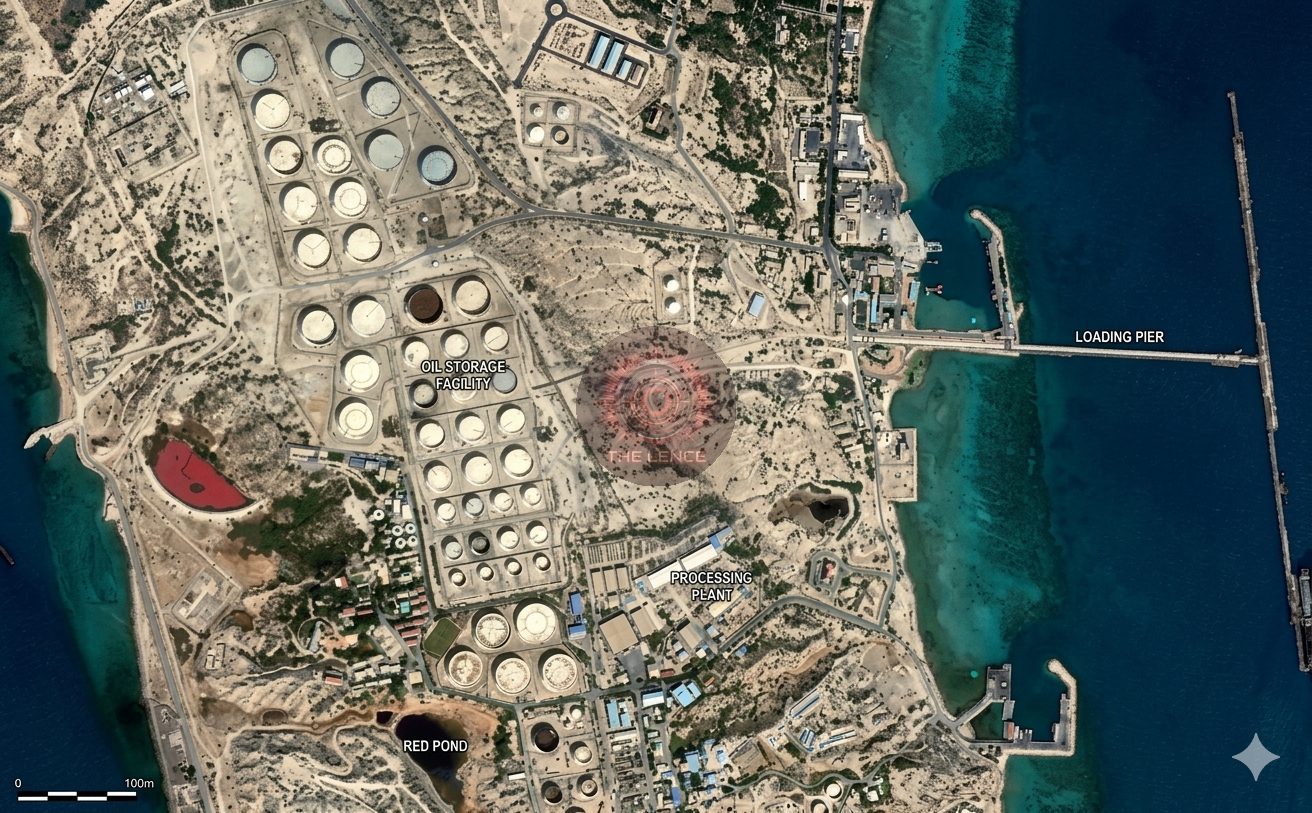
A tightening U.S. blockade on Iranian oil exports is rapidly escalating into a high-stakes economic standoff, with Tehran facing a critical deadline as its storage facilities approach full capacity.
Since mid-April, when Washington intensified enforcement measures, Iran’s crude exports have reportedly plunged from around 2.1 million barrels per day to less than 600,000. The sharp decline has left millions of barrels stranded, with limited buyers and dwindling storage space. As tanks fill up, Iran may soon be forced to halt production at key oil fields—an outcome that carries both immediate financial pain and long-term technical risks.
Energy analysts warn that shutting down certain wells is not a simple pause-and-resume process. Some reservoirs, once idled, can suffer irreversible damage, reducing future output and complicating recovery efforts. For a country heavily reliant on oil revenue, the implications could stretch far beyond the current الأزمة.
The financial toll is already mounting. Estimates suggest Iran is losing up to $500 million daily in unrealized revenue, compounding pressure on an economy already strained by years of sanctions and inflation.
At the center of the confrontation is a familiar geopolitical gamble. On one side, Donald Trump appears to be betting that sustained economic pressure will force Tehran back to negotiations on U.S. terms. On the other, Iran is signaling resilience, calculating that Washington may eventually ease its stance rather than risk further instability in global energy markets.
The outcome remains uncertain, but the timeline is tightening. With storage nearing its limit and losses accelerating, the coming weeks could prove निर्णायक in determining whether economic الضغط translates into political leverage—or hardens positions on both sides.


Comments (0)
No comments yet. Be the first!
Leave a Comment