


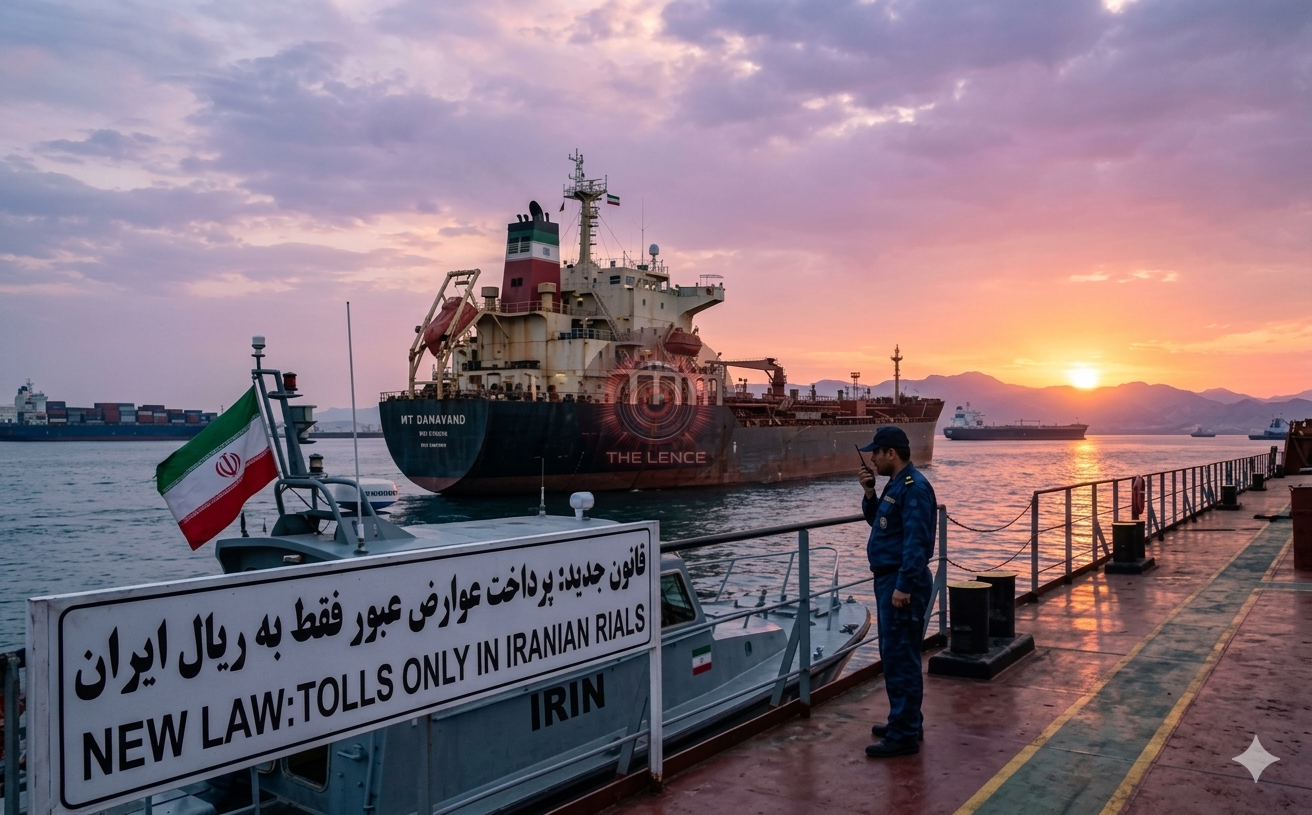
Iran is taking a bold step to reshape how maritime payments are handled along one of the world’s most strategic waterways, signaling a move away from reliance on major foreign currencies.
Lawmakers in Tehran are working on new legislation that would require all vessels passing through the Strait of Hormuz to pay transit tolls strictly in Iranian rials. If passed, the policy would effectively eliminate the use of widely traded currencies such as the US dollar and Chinese yuan in these transactions.
The proposal reflects Iran’s growing determination to strengthen its financial sovereignty at a time of persistent economic pressure. By insisting on payments in its local currency, authorities aim to boost demand for the rial and reduce vulnerability to external financial systems often influenced by geopolitical rivalries.
Officials backing the initiative argue that the Strait of Hormuz—through which a significant portion of global oil supply flows—offers Iran a unique leverage point. Channeling payments through the rial could inject liquidity into the domestic economy while reinforcing the currency’s relevance beyond national borders.
Economists note that the plan carries both opportunity and risk. On one hand, it could support the rial and give Iran more control over transaction flows tied to the vital shipping lane. On the other, it may create friction with international shipping companies and trading partners who are accustomed to dealing in more stable and widely accepted currencies.
There are also concerns about how easily global operators can access and convert rials, as well as the potential for increased costs or delays in compliance. Such challenges could test the practicality of enforcing the policy on a busy international route.
Still, the move underscores a broader trend of countries exploring alternatives to dominant global currencies in trade and finance. For Iran, the proposed law is not just about tolls—it is a strategic attempt to redefine its economic engagement with the world while reinforcing the standing of its national currency.



Comments (0)
No comments yet. Be the first!
Leave a Comment