


The War of Signals: How Russia and China Help Iran See the Battlefield
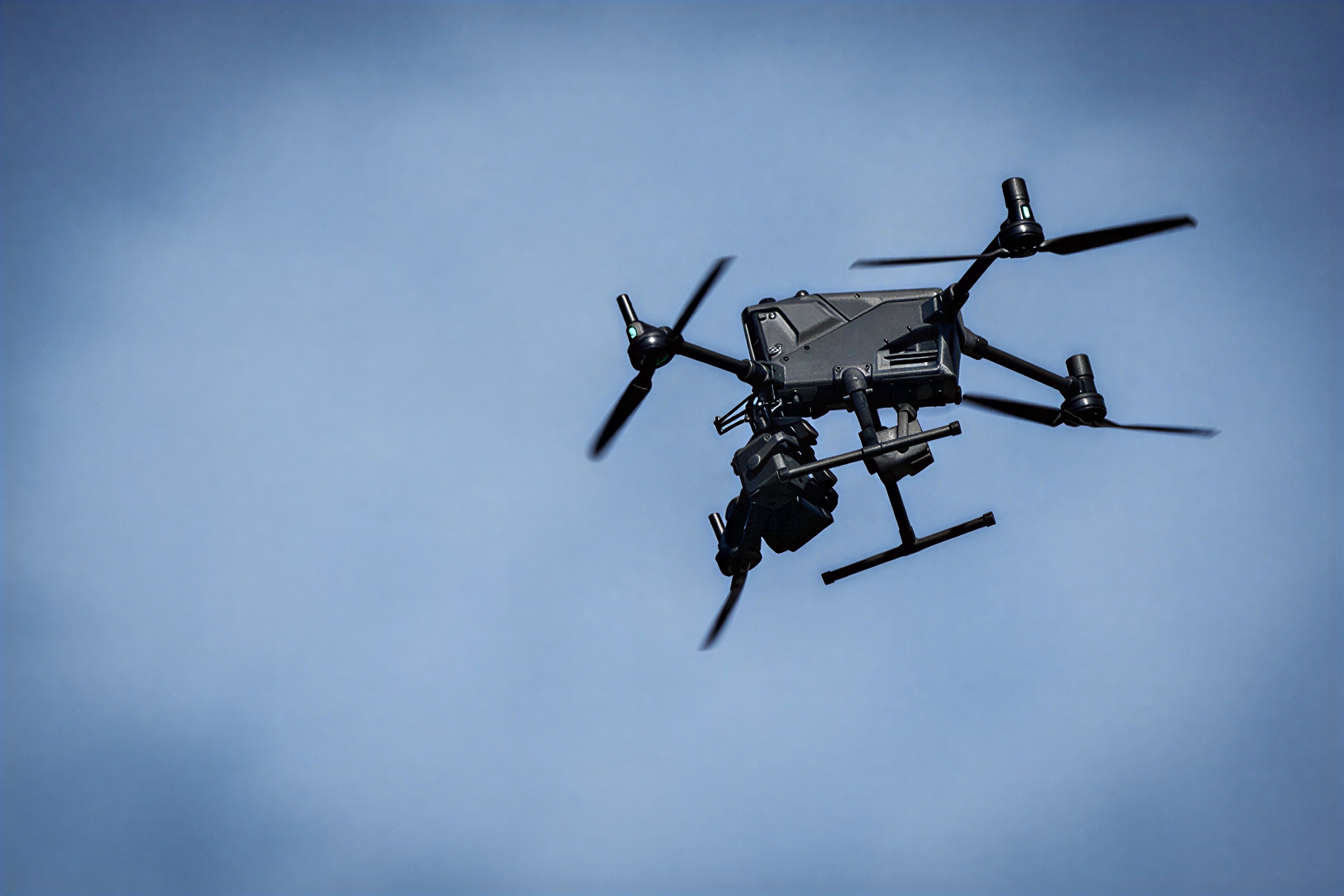
In the complex dynamics of modern warfare, the balance of power is no longer determined solely by the number of tanks or missiles a nation possesses. Instead, electronic warfare and intelligence sharing have emerged as pivotal elements that can shift battle outcomes. The recent revelations by three senior American officials to The Washington Post have highlighted this new reality. They indicated that Russia is providing Iran with sensitive intelligence, including the precise locations of US warships and aircraft operating across the Middle East. This collaboration marks more than just a tactical alliance; it unveils a new form of warfare without front lines, fought in the electromagnetic spectrum.
A New Kind of War.
This novel form of conflict relies heavily on radar beams, satellite feeds, and encrypted coordinates rather than traditional military hardware. In the Gulf today, the primary objective for both sides is to "blind" the opponent, disrupting their ability to accurately perceive and respond to threats. Russian President Vladimir Putin has denied sharing such intelligence with Iran during a call with US President Donald Trump, but these denials do not alter the underlying strategic realities.
Intelligence as Currency.
Russia's involvement in providing Iran with intelligence can be viewed through the lens of its broader geopolitical strategy. Just as the US has supplied Ukraine with targeting intelligence against Russian positions, Moscow is reciprocating by sharing valuable intelligence with Tehran. As Bruce Riedel, a former CIA officer, once noted, "In modern warfare, coordinates are often more valuable than bullets." Knowing the precise location of the enemy confers a significant tactical advantage.
Signals as Weapons.
The intelligence pipeline from Russia has enabled Iran to target US and Israeli assets with unprecedented precision. Iran's own military reconnaissance capabilities are limited, particularly when it comes to tracking fast-moving naval assets. However, Russia's advanced surveillance network, including the Kanopus-V satellite (renamed "Khayyam" for Iranian use), fills this gap. This collaboration transforms Iran's military capability, providing the backbone for its precision-strike doctrine.
The Role of China.
While the focus here has been on Russia's contributions, it is important to note that China also plays a significant role in this evolving battlefield. China's advancements in electronic warfare and its own surveillance capabilities contribute to the shifting dynamics in the Gulf. As Iran continues to strengthen its alliances with Russia and China, the traditional dominance of the US and Israel in the region faces unprecedented challenges.
Conclusion.
In a world where intelligence has become a currency, the sharing of signals and surveillance data is reshaping the landscape of conflict. As electronic warfare continues to evolve, the ability to see and be unseen will determine the victors on this new battlefield. The war of signals is a testament to the changing nature of global power dynamics, where alliances and shared technologies redefine the art of war.


Comments (0)
No comments yet. Be the first!
Leave a Comment