


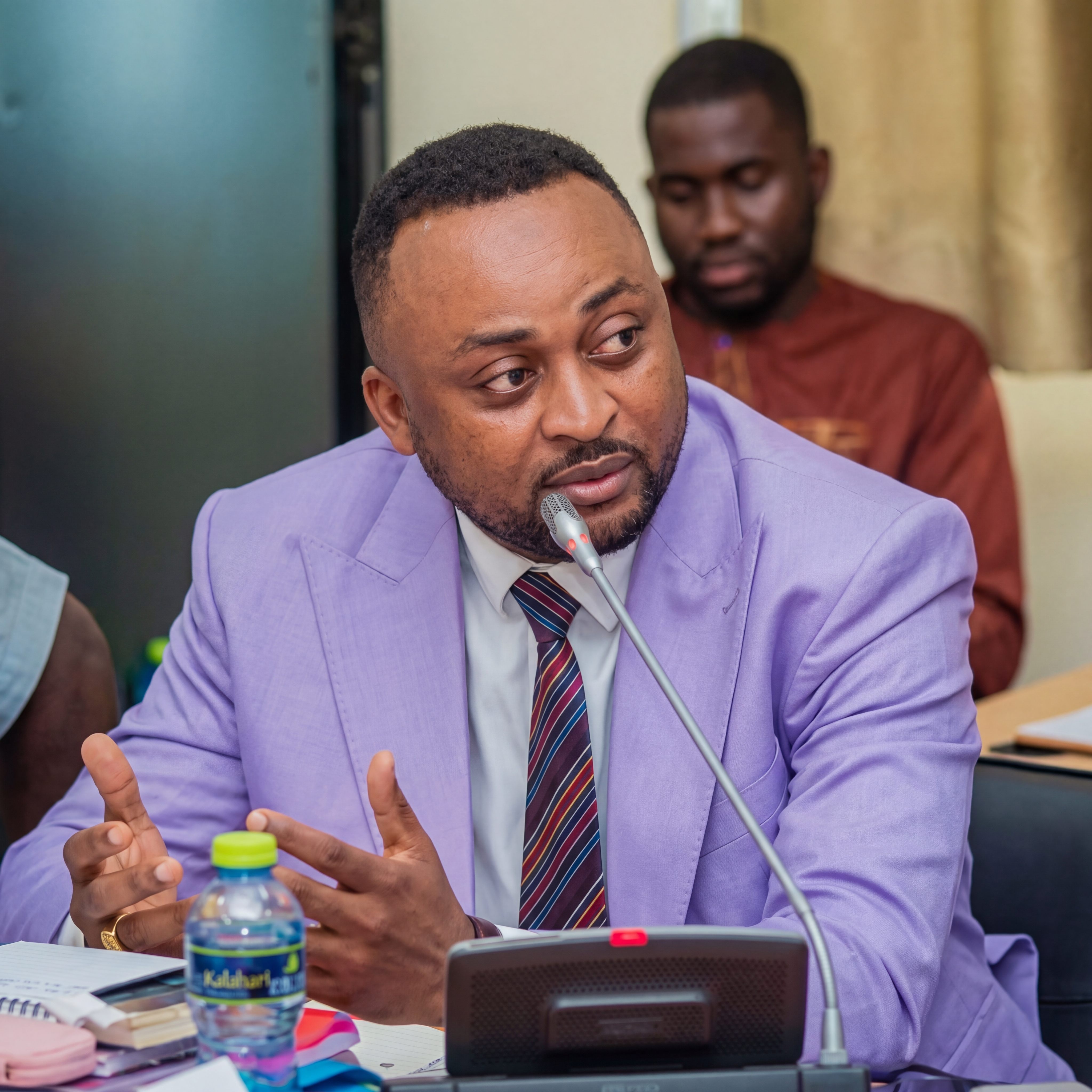
The Minority in Ghana's Parliament has emphasized the need for a comprehensive overhaul of capacity-building programmes for Members of Parliament (MPs) and the staff of the Parliamentary Service. This call comes amidst the increasing complexity of legislative work, necessitating a modernization of training frameworks to keep pace with global trends.
Addressing the Need for Modernization.
Speaking at the inaugural meeting of the Network of Parliamentary Training Institutes on March 23, Vincent Ekow Assafuah, Member of Parliament for Old Tafo, and representing the Minority Leader, underscored the importance of updating training programmes. He called for these programmes to reflect evolving global trends, highlighting the need to incorporate elements such as digital governance, data literacy, climate policy, and inclusive representation.
Assafuah outlined three critical conditions for the success of this initiative:
- Sustained Investment: Ensuring continuous funding and resources for training programmes.
- Relevance: Adapting training to meet the demands of a changing world.
- Inclusion of Global Trends: Integrating contemporary issues and skills into the training curriculum.
A Broader Approach to Capacity Building.
In addition to Assafuah's remarks, Majority Leader Mahama Ayariga advocated for a more expansive approach to capacity building. He argued that training should not be limited to MPs and parliamentary staff but should encompass the entire legislative ecosystem.
Ayariga emphasized the importance of bolstering the knowledge and skills of all participants in the parliamentary process to improve governance outcomes. He stated, “The members of Parliament are supposed to understand the work that they are supposed to do, what their mandates are, and how to relate to their parliamentarians and their national Parliament.
Commitment to Strengthening Institutions.
Furthermore, the First Deputy Speaker, Bernard Ahiafor, speaking on behalf of the Speaker of Parliament, called on participants to commit to concrete actions that will fortify parliamentary institutions. Ahiafor highlighted the need for tangible efforts that would ensure the robustness and effectiveness of parliamentary functions.
The call for an overhaul of parliamentary training in Ghana reflects a broader recognition of the need to equip lawmakers and parliamentary staff with the necessary skills and knowledge to navigate the complexities of modern governance. By investing in comprehensive and forward-thinking training programmes, Ghana aims to enhance the effectiveness of its legislative processes and outcomes.
Comments (0)
No comments yet. Be the first!
Leave a Comment