


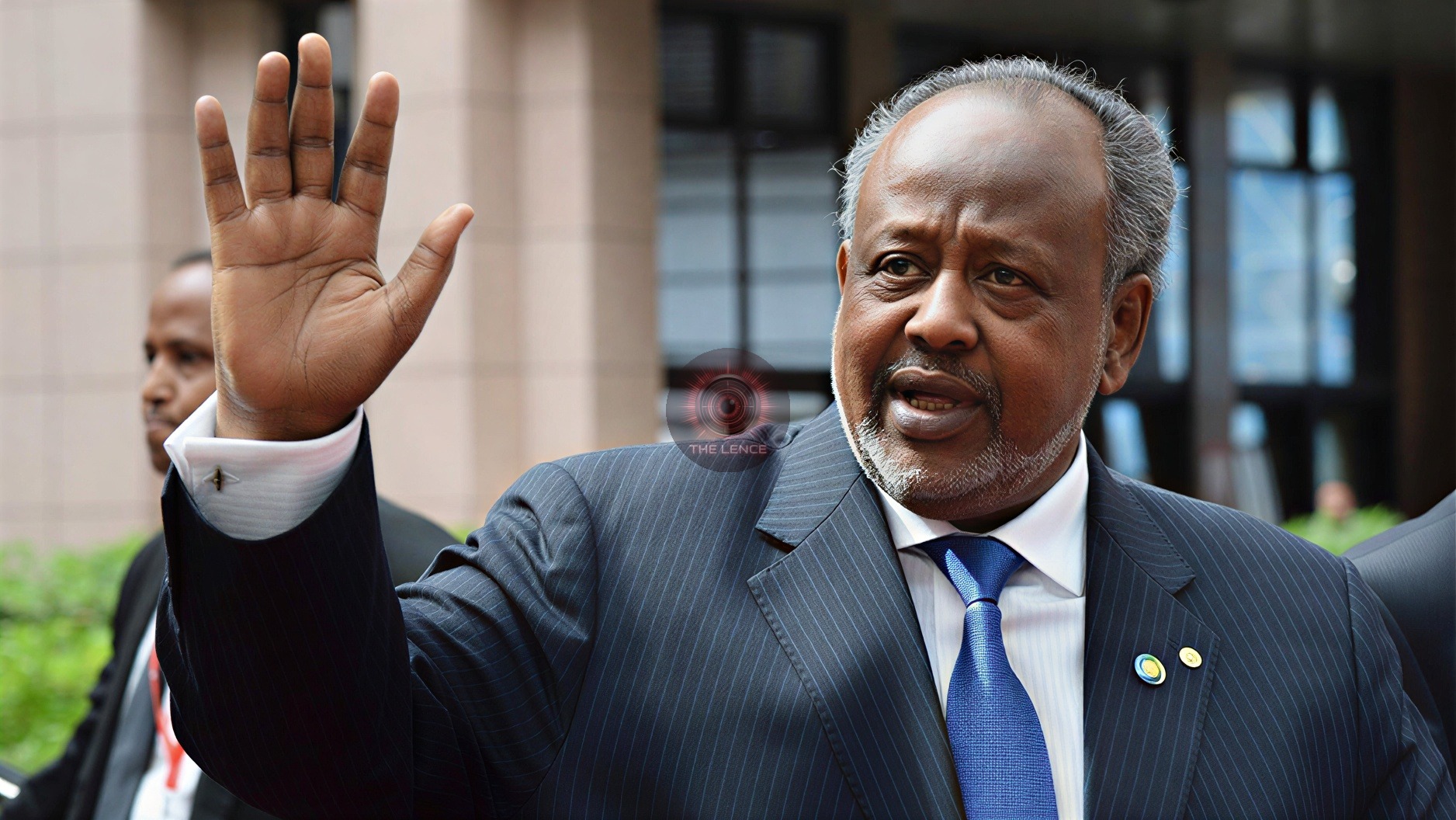
Djibouti: Ismail Omar Guelleh Set to Win Sixth Presidential Term
Ismail Omar Guelleh, Djibouti's long-standing leader, is poised to secure a sixth presidential term in the upcoming vote on Friday. Having ruled since 1999, Guelleh, now 78, is one of Africa's longest-serving leaders. His tenure has seen the transformation of Djibouti into a significant military and maritime hub, attracting global powers such as the United States and China.
Political Landscape.
Opposition and Campaign
With the opposition fragmented and largely muted, Guelleh's path to re-election appears unobstructed. His only challenger is Mohamed Farah Samatar, a former member of the ruling party and head of the Unified Democratic Centre (CDU), a party with no parliamentary representation. Guelleh's campaign has been characterized by his appearances dressed in green, symbolizing continuity and stability.
Stability in a Volatile Region.
Guelleh positions himself as a stabilizing force in a region marked by historical tensions between neighbors Ethiopia and Eritrea. Djibouti's strategic location between Africa and the Arabian Peninsula, particularly at the Bab al-Mandeb strait, underscores its geopolitical significance. This narrow waterway is one of the world's busiest shipping routes, and its security is crucial for global trade.
Foreign Military Presence.
The stability offered by Guelleh's rule has attracted several foreign military bases to Djibouti. The country hosts France's largest military base in Africa, alongside troops from China, Japan, Italy, and the United States. The US base, Camp Lemonnier, is the only permanent US military base on the continent, playing a vital role in anti-terrorism operations.
Economic Reliance on Ports.
Djibouti's economy is heavily reliant on its ports, which account for 70% of its GDP. The country serves as the primary maritime outlet for Ethiopia, underscoring the economic symbiosis between the two nations. However, regional conflicts, such as the ongoing tensions in the Middle East involving the United States, Israel, and Iran, pose potential threats to shipping lanes through the Bab al-Mandeb strait.
Criticism and Human Rights Concerns
Electoral Process.
The upcoming election has been criticized by human rights organizations and opposition figures. Omar Ali Ewado, head of the Djibouti League of Human Rights (LDDH), has labeled the election a "masquerade" and a "foregone conclusion," citing the lack of genuine political competition and the suppression of dissenting voices.
Ethnic Tensions and Governance.
Guelleh's administration has faced accusations of favoring his Issa ethnic group over the minority Afar, leading to allegations of marginalization. Furthermore, Djibouti ranks 168th out of 180 in the 2025 press freedom index by Reporters Without Borders, reflecting concerns over restrictions on free expression.
Future Prospects.
Despite Guelleh's advanced age and health concerns, his inner circle, including influential family members, remains a pivotal factor in Djibouti's political future. Although he won re-election in 2021 with an overwhelming majority, largely due to an opposition boycott, questions persist about his ability to complete another term. The removal of the 75-year age limit for presidential candidates further cements his hold on power, allowing him to continue shaping the nation's trajectory.
In conclusion, while Ismail Omar Guelleh is expected to extend his rule, Djibouti's future will depend on navigating both internal challenges and its strategic international relationships.

Comments (0)
No comments yet. Be the first!
Leave a Comment