


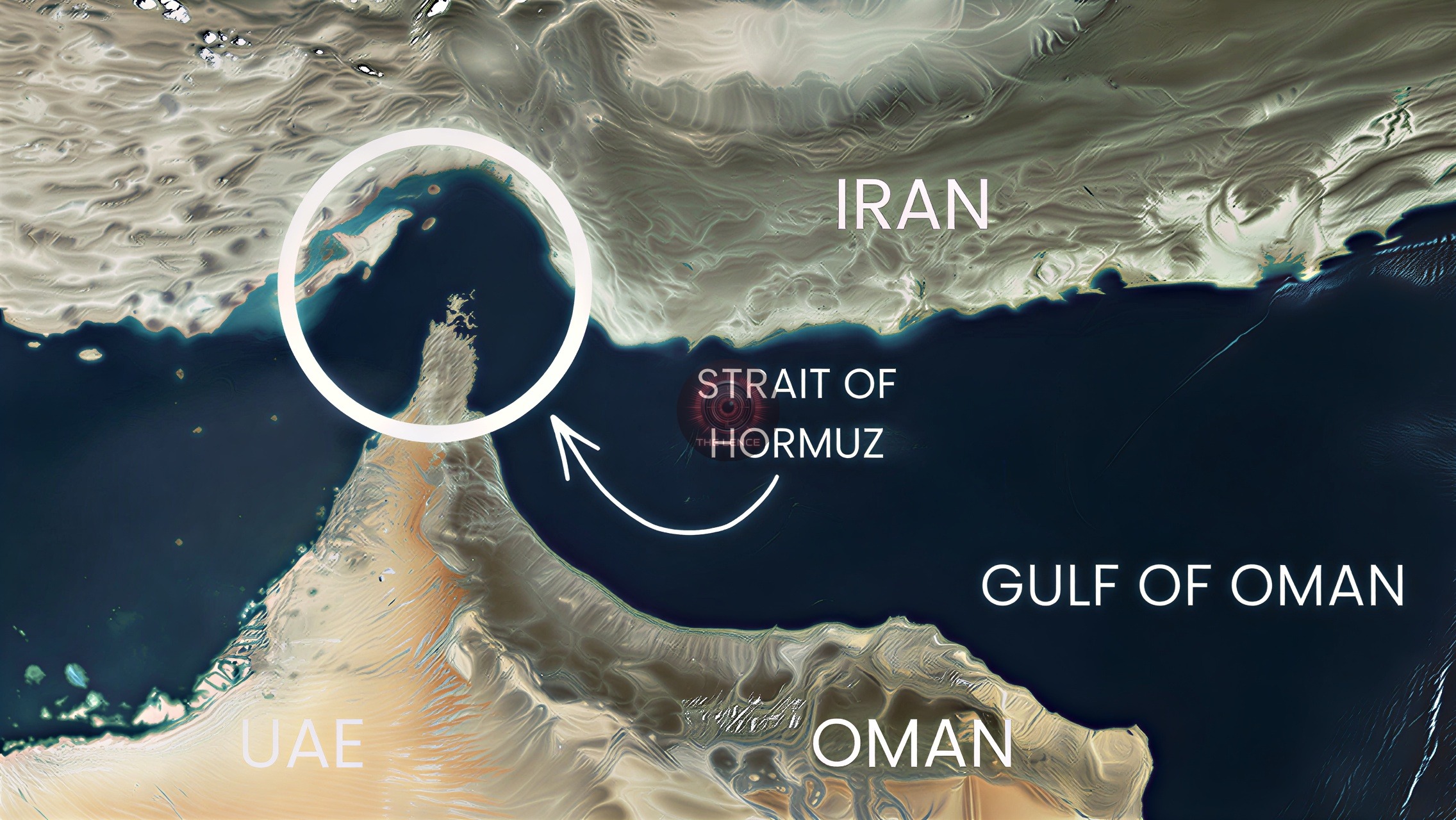
Iran's Control Over the Strait of Hormuz: A New Geopolitical Landscape
In a significant shift in global maritime dynamics, Iran has effectively closed the Strait of Hormuz, the world’s most critical energy chokepoint, following attacks on February 28th. This move has resulted in a staggering 95 percent drop in commodity traffic through the strait, which is a vital conduit for the global oil supply.
Diplomacy Over Maritime Law.
Access to the Strait of Hormuz is now dictated by direct diplomacy with Iran rather than international maritime law. This change marks a new geopolitical reality where Iran exerts considerable influence over the passage of vessels through this strategic waterway. The Islamic Revolutionary Guard Corps (IRGC) plays a pivotal role in this new regime, operating what is described as a 'de facto toll booth' system.
The Permissions-Based System.
Iran's foreign minister, Abbas Araghchi, has outlined a permissions-based system that grants passage to vessels from 'friendly' nations. China, Russia, India, Iraq, and Pakistan have been explicitly named as countries with friendly status. However, several other nations, including Thailand, Malaysia, the Philippines, Indonesia, and Japan, have also secured agreements for safe transit. Notably, some of these agreements reportedly do not involve the payment of fees.
Opaque Agreements and Economic Implications.
The terms and conditions of these agreements remain largely opaque. There are reports suggesting that Iran is charging “war compensation” fees, a significant departure from traditional toll fees. Iran's parliament is currently considering legislation to formalize this system, which could have broad implications for international trade and relations.
Global Reactions and Strategic Interests.
The international community is closely monitoring the situation, as the closure of the Strait of Hormuz could have far-reaching effects on global energy markets and geopolitical stability. Nations reliant on oil passage through the strait are reassessing their strategic partnerships and energy procurement strategies.
In conclusion, Iran's control over the Strait of Hormuz represents a profound shift in global maritime power dynamics. The situation underscores the importance of diplomatic engagement and strategic alliances in navigating this complex geopolitical landscape.


Comments (0)
No comments yet. Be the first!
Leave a Comment